
 ع
ع


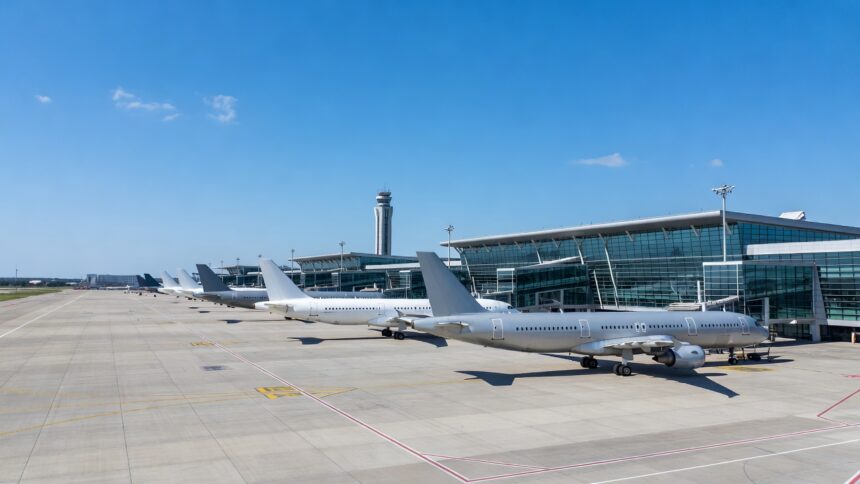
Saif Mohammed Al Suwaidi, director general of the UAE’s General Civil Aviation Authority, addressed delegates at the 4th China Air Transport Association Conference in Beijing this week on the transformative role of artificial intelligence in civil aviation. He affirmed that the technology holds significant potential to drive comprehensive changes across the ecosystem, yet stressed the need for clear governance and regulatory frameworks to guarantee its safe, responsible and transparent application. The conference, which runs from September 17 to 19 under the theme of integration and development of artificial intelligence and civil aviation, provided a platform for Al Suwaidi to outline the UAE’s perspective on balancing innovation with oversight.
The Emirates News Agency reported that Al Suwaidi highlighted the longstanding partnership between the UAE and China, built on mutual respect and shared ambitions for stronger bilateral cooperation. Civil aviation stands as a cornerstone of this relationship, backed by air services agreements that sustain more than 90 weekly flights linking cities in both nations, according to the authority’s data. Etihad Airways separately announced earlier in 2026 that it would expand its mainland China network to 35 weekly flights across six destinations by early 2027, further deepening connectivity as part of a joint venture with China Eastern Airlines.
On the sidelines of the gathering, Al Suwaidi held a bilateral meeting with Pan Yixin, secretary general of the China Air Transport Association. The two officials discussed ways to bolster existing cooperation in civil aviation and identify new areas for collaboration of mutual interest. Their talks aligned with broader efforts that have included a 2024 memorandum of understanding between the UAE General Civil Aviation Authority and China’s Civil Aviation Administration to enhance air connectivity and explore initiatives in safety, security and investment.
The conference features dialogue sessions, specialised forums and a professional exhibition addressing key topics such as digital and smart civil aviation, aviation services, air logistics and professional education in the sector. Organisers positioned the event as a venue for industry stakeholders to exchange insights on integrating advanced technologies while maintaining operational integrity. Participation by the UAE delegation reflects the country’s commitment to engaging with global partners on emerging challenges in aviation governance.
UAE Ministry of Foreign Trade figures show that non-oil bilateral trade with China surpassed 111 billion dollars in 2025, registering a 24.5 percent annual increase and reinforcing the economic rationale for expanded air links. This growth has elevated the UAE as a key gateway for flows between Asia, the Middle East and Africa, with aviation playing a pivotal role in supporting trade volumes. The civil aviation partnership has evolved steadily since the establishment of diplomatic relations more than four decades ago.
A February 2026 assessment published by Aviation Week noted that the UAE is positioning its regulator at the forefront of AI adoption in aviation to demonstrate that oversight can keep pace with technological advances. The General Civil Aviation Authority has pursued frameworks that encourage innovation in areas ranging from air traffic management to predictive maintenance while prioritising safety standards. Such efforts complement parallel initiatives across the transport sector, including Dubai’s Roads and Transport Authority agreements signed in June 2026 with Chinese firms Huawei and CASCO to advance AI applications in smart mobility and metro systems.
On the same day as the Beijing conference opening, Ras Al Khaimah authorities signed a cooperation agreement with Chinese advanced air mobility company Aridge, an affiliate of XPeng, to test flying vehicles and develop related infrastructure in the emirate, the Ras Al Khaimah Transport Authority said. The deal establishes Aridge as the founding partner of a dedicated test zone, allocating aircraft and specialist teams for validation trials. These developments illustrate the expanding scope of UAE-China collaboration beyond traditional air services into next-generation mobility solutions.