
 ع
ع


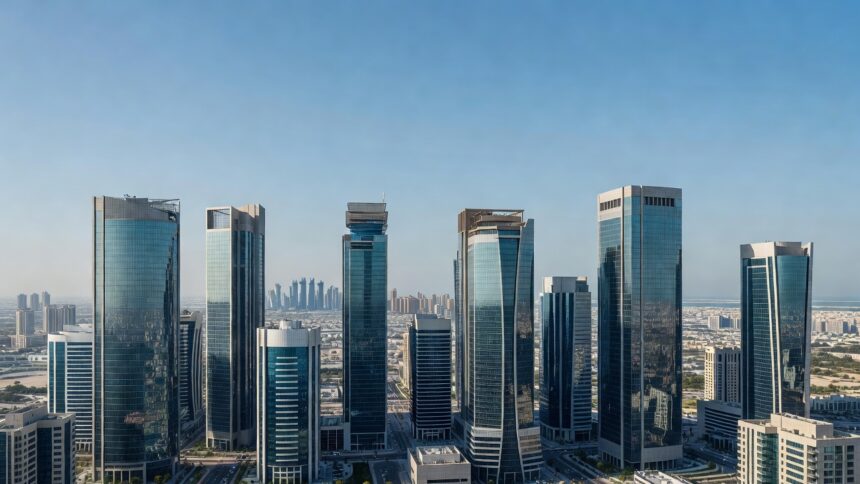
An article in The Peninsula Qatar titled ‘Real estate tokenisation to broaden Qatar’s investment access’ detailed how the Qatar Financial Centre has directed its resources toward tokenisation to address illiquid real estate holdings. Chief executive officer Yousuf Mohamed al-Jaida explained that the approach democratises access to assets such as towers in West Bay and Lusail where ownership often concentrates among a few large landlords with ticket sizes exceeding 500 million dollars. Al-Jaida noted that tokenising even one or two such properties could deliver significant economic benefits while solving a genuine market problem. Global projections cited in the coverage anticipate tokenized assets reaching 30 trillion dollars by 2030 including substantial volumes in real estate and security tokens.
The Qatar Financial Centre introduced its Digital Assets Framework in 2024 together with an Investment Token Rulebook and security token guidelines according to authority statements. These measures enable swift licensing of compliant digital asset firms operating inside the QFC. Officials have adopted a laboratory approach that begins with tokenising private shares and establishing special purpose vehicles to hold the underlying real assets. This structured testing phase seeks to maintain regulatory confidence while managing risks associated with the new technology.
Momentum has continued into 2026 with fintech company Alt DRX obtaining one of the first Token Service Provider licences for real estate tokenisation from the QFC. The firm is partnering with local banks to create digital marketplaces where customers can buy and sell tokenised property fractions as small as one square metre. Gulf Times reported that the collaboration supports the Qatar Central Bank’s third financial sector strategy and aligns with the existing digital assets regime. Founder Anand Narayanan described the project as a compliant way to expand access to high-value real estate for a wider range of investors.
A report examining real-world asset tokenisation across the GCC identified a roughly 500 billion dollar opportunity with real estate positioned as a leading category. Roland Berger consultants noted that the technology enables fractional ownership secondary market trading and faster ownership transfers compared with conventional methods. The consultants observed that while Dubai has piloted on-chain title deeds and Saudi Arabia is building a national registry Qatar is focusing on its QFC regulatory foundation to achieve similar outcomes. Population growth and large-scale development programs have increased demand for such innovations throughout the region.
Al-Jaida has repeatedly stressed that Qatar’s emphasis remains on tokenisation rather than broader crypto trading which stays tightly controlled by the central bank. By converting oversupplied real estate into tradable digital tokens the initiative could ease liquidity constraints and attract both domestic retail participants and international capital. The laboratory model using special purpose vehicles ensures that legal ownership and regulatory requirements stay aligned with each token. This measured rollout forms part of Qatar’s longer-term goal to position Doha as a leading financial centre by 2030.
Industry assessments project that successful tokenisation could enhance overall market transparency and reduce administrative burdens for property transactions. Kearney analysis of GCC trends highlighted benefits including streamlined operations greater portfolio visibility and quicker collateral processes once blockchain solutions scale. Such advances complement parallel efforts to unify digital real estate platforms and simplify residency-linked investment procedures. The combined effect is expected to reinforce Qatar’s attractiveness for diversified investment inflows in the years ahead.