
 ع
ع

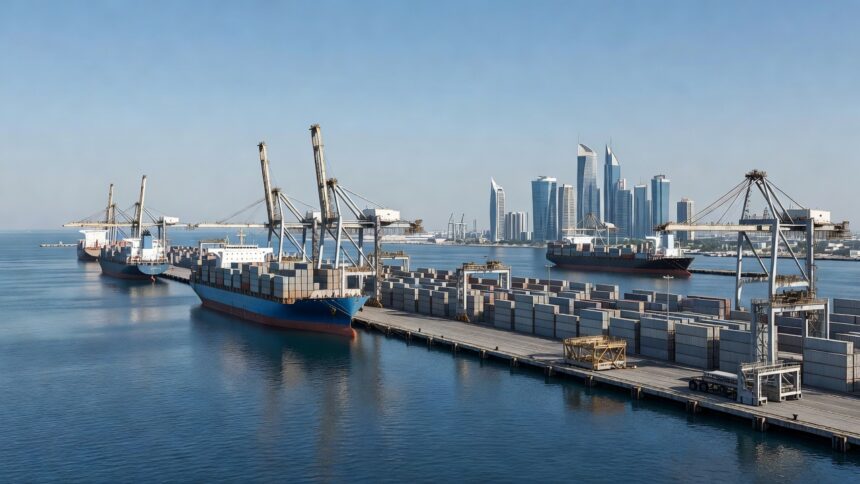
Qatar’s Cabinet endorsed the draft Free Trade Agreement between the Gulf Cooperation Council and New Zealand during its regular meeting on January 22, 2026, according to the Qatar Tribune. The move forms part of a coordinated governmental push to advance legal, economic and institutional reforms across multiple fronts. At the same time the Ministry of Justice has accelerated efforts to update dispute resolution frameworks and position Qatar more prominently as a venue for regional arbitration, the newspaper reported.
Negotiations for the pact concluded in Doha, where GCC officials stated that the agreement would support longer-term aims of strengthening economic connections and broadening global trade relationships. The GCC Secretariat had previously indicated that both sides sought closer collaboration across trade, investment, agriculture, food security, tourism, transport and financial services. This approval by Qatar represents a key domestic step toward eventual implementation of one of the GCC’s more notable external trade initiatives in recent years.
New Zealand’s Ministry of Foreign Affairs and Trade data places annual two-way trade between New Zealand and the GCC at more than NZ$3 billion. The ministry’s figures show New Zealand exported $3.14 billion in goods and services to the bloc against imports of $537.51 million, producing a trade surplus of $2.61 billion. The GCC Secretariat separately reported that total trade exchange between the two sides reached approximately $2.9 billion in 2023.
The agreement is expected to reduce or eliminate customs duties on a broad range of items, enabling freer movement of goods and services between the parties. Trade analyses indicate it would grant duty-free access for 99 percent of New Zealand exports to GCC markets once in force. Key sectors likely to gain include New Zealand’s agricultural producers, which stand to secure expanded outlets for dairy, meat and other commodities in the Gulf region.
Qatar’s parallel justice-sector reforms aim to modernise arbitration and related mechanisms, creating a more attractive environment for cross-border commercial activity. These legal updates complement the trade pact by addressing potential dispute needs that could arise from increased investment and exchange. The combined measures reflect a deliberate strategy to align regulatory infrastructure with expanding economic partnerships.
Formal discussions between the GCC and New Zealand date back more than a decade, with negotiations reaching completion in late 2024. The pact now proceeds through ratification procedures in each member state before it can enter into effect, according to the New Zealand trade ministry. Officials on both sides have described the deal as a foundation for diversified commerce that extends beyond traditional energy-focused exchanges.