
 ع
ع


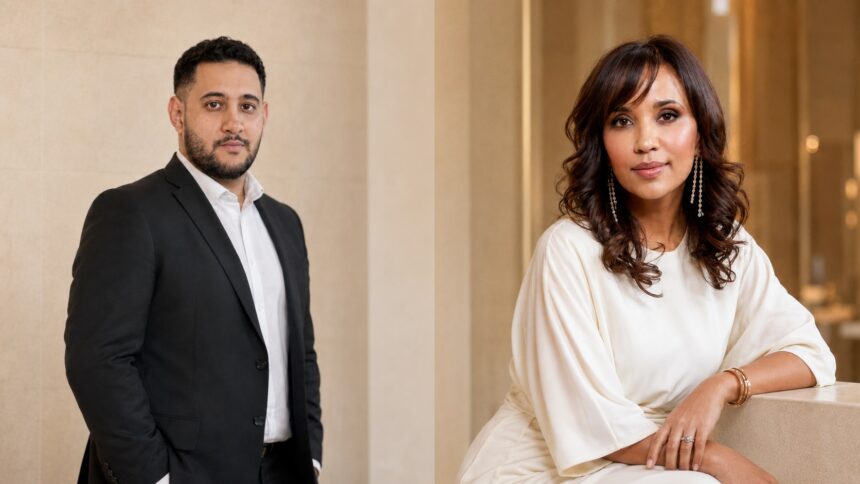
FIFA’s enforcement workload is rising just as Saudi club privatization and a new sports law widen football’s commercial perimeter. Sarah Malik says SOL’s latest ethics analysis sits inside a “growing sports practice”.
FIFA’s Ethics Committee opened 156 investigations in the 2024/2025 reporting period, up from 125 a year earlier. The increase sits inside a much larger enforcement machine: the independent Disciplinary Committee handled more than 3,400 cases during the year to 30 June 2025, covering matters ranging from financial obligations and third-party ownership to match-fixing and doping, according to FIFA’s latest disciplinary and ethics report. The 156 figure is not merely a governance statistic. It arrives as Gulf football moves deeper into private capital, sponsorship, acquisitions and cross-border commercial structures, widening the number of transactions in which a gift, commission, consultancy payment or connected-party benefit may later need to be explained.
Private capital meets a wider rulebook
Saudi Arabia made that intersection unusually visible this summer. The Kingdom’s Sports Law entered into force on 11 June 2026, creating a comprehensive framework covering clubs, leagues, federations, athletes, coaches, sports arbitration, professional licensing and sports investment. In the same week, the Ministry of Sport and National Center for Privatization offered Al-Riyadh, Abha, Al-Fateh, Al-Tai and Al-Shoulla to investors. The ministry said it had already registered more than 80 expressions of interest across 22 clubs from local and international investors. Commercialisation therefore brings more than ownership capital. It produces procurement decisions, sponsorship arrangements, intermediaries, hospitality, commissions and adviser relationships, all ordinary components of professional sport but also familiar pressure points in an ethics investigation.
That is the market context for SOL International founder Sarah Malik’s latest work with trainee Ahmed Hamo. Their paper, Bribery and Corruption in Football: How the FIFA Code of Ethics Draws the Line, examines Article 28 of the FIFA Code of Ethics alongside rules on gifts, conflicts of interest, abuse of position, evidence and appeals. Its practical point is sharper than a prohibition on envelopes of cash: an ethics breach can engage around an offer, promise, request or solicitation even where the proposed payment is never completed, and liability may extend through intermediaries and third parties. The authors also distinguish legitimate hospitality and commercial arrangements from benefits intended to secure an improper advantage.
The payment does not have to land
That distinction matters because corruption cases are rarely built around a document describing itself as corrupt. The paper uses Manuel Burga Seoane v FIFA to show how investigators and tribunals can assemble a case from circumstantial evidence. In the proceedings, the former president of the Peruvian Football Association challenged findings concerning bribes linked to CONMEBOL broadcasting and marketing rights. The published CAS award records the evidential trail considered by the tribunal, while Malik and Hamo’s analysis draws out the wider lesson: payment routes, communications, timing, connected persons and inconsistent explanations can carry weight collectively even without a single conclusive record of payment. For an investor or club, that turns record-keeping into transaction infrastructure rather than post-event housekeeping.
Malik is explicitly connecting that work to SOL’s commercial direction. On 2 September, she introduced the paper in a LinkedIn post as being “in line with a growing sports practice”, calling bribery and corruption “an increasingly important area in the arena”. The timing follows a broader sports-law buildout: her disclosed experience includes work for athletes, football-related investigations and commercial sports matters, while she developed a sports law module for Middlesex University Dubai. In July, the Arab-British Chamber of Commerce described her practice as spanning athletes, sports organisations and investors across the GCC ahead of a Saudi-focused sports, tourism and real-estate seminar in London.
Governance becomes part of the asset
There is one qualification worth keeping beside the enforcement numbers. A rise from 125 to 156 FIFA ethics investigations does not establish that football itself has become more corrupt. It can equally reflect stronger reporting, broader oversight and a more active enforcement body. But for capital entering the sport, the commercial implication is much the same: conduct that once sat inside a handshake, loosely drafted consultancy agreement or informal hospitality arrangement is increasingly capable of being reconstructed and tested against a written code.
That changes what professionalisation means. Saudi football’s investment programme is creating a market for clubs, sponsorships and commercial rights, but it is also creating a market for the controls surrounding them. Beneficial ownership checks, conflict registers, approval thresholds, documented commissions, due diligence on intermediaries and traceable payment instructions are not peripheral legal products when an ethics rule can engage before the money moves. Malik’s latest paper catches that transition at the right moment. Gulf football has spent heavily on the visible side of professional sport. The next phase is making the invisible side, who approved what, why and for whose benefit, equally investment-grade.