
 ع
ع



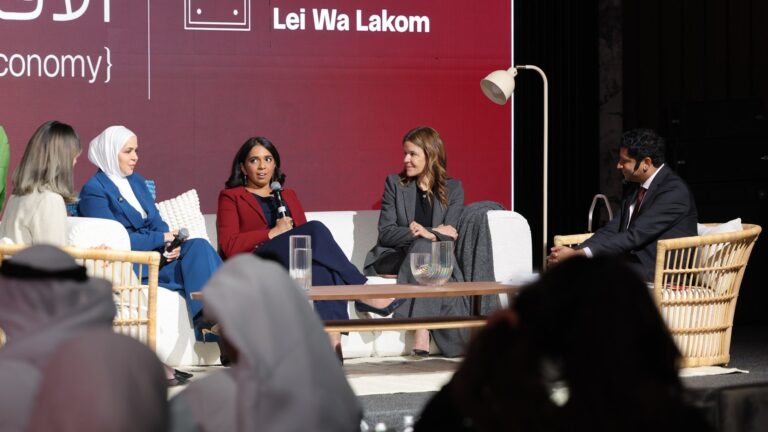
Fatmah Alkaabi, senior advisor at the Abu Dhabi Early Childhood Authority, outlined the organisation’s Parent-Friendly Label programme in an interview with Gulf Business as a key tool to transform workplace inclusivity and support women’s participation in the workforce. The programme addresses concerns that many women lack sufficient quality time with their children due to work commitments by encouraging organisations to create supportive environments for parents of young children. Alkaabi explained that the initiative helps balance professional and personal lives more effectively for parents with children aged 0-8.
The authority’s focus on early childhood stems from the recognition that the early years are critical for child development, Alkaabi noted. The ECA operates on four main pillars including health and nutrition, child protection, family support through the PFL programme and early childhood care and education. This holistic approach underpins the national emphasis on family well-being as the UAE observes 2026 as the Year of the Family.
Organisations seeking the parent-friendly label are assessed on criteria such as maternity leave policies, where the programme encourages at least 90 days compared to the legal minimum of 45 days of fully paid leave. Additional factors include flexible working arrangements, family well-being support and overall company culture that fosters trust and compassion toward caregivers. Alkaabi said the programme is open to private and semi-government entities across the UAE that demonstrate progressive practices.
The authority has awarded the label to multiple organisations, with two UAE entities achieving the higher PFL Plus standard, according to Alkaabi. This reflects growing adoption of practices that go beyond basic compliance to deliver tangible benefits for families. The vision includes deeper integration of these practices to boost business outcomes like productivity and employee retention.
World Bank data places the UAE female labour force participation rate at 53 per cent in 2025, up from previous years but still revealing room for further gains through supportive policies. The Ministry of Human Resources and Emiratisation reported that Emirati women accounted for 55.1 per cent of leadership positions held by Emiratis in the private sector by mid-2026, with 71.5 per cent in skilled roles. Such figures underscore the impact of policies that enable women to remain in the workforce after starting families.
Alkaabi emphasised that parent-friendly practices are not only beneficial for parents and children but also enhance business performance. “Our vision is to see a deeper understanding of the value of parent-friendly practices among UAE organisations. It’s not just beneficial for parents and children but also enhances business outcomes such as productivity, retention, and attractiveness as an employer.”
The push aligns with broader government efforts to strengthen family structures, as highlighted in national initiatives throughout 2026. Recent growth in women’s economic participation has seen investments by businesswomen exceed $16.3 billion, according to official figures. These developments position family-friendly work policies as an essential component of sustainable national development.