 ع
ع


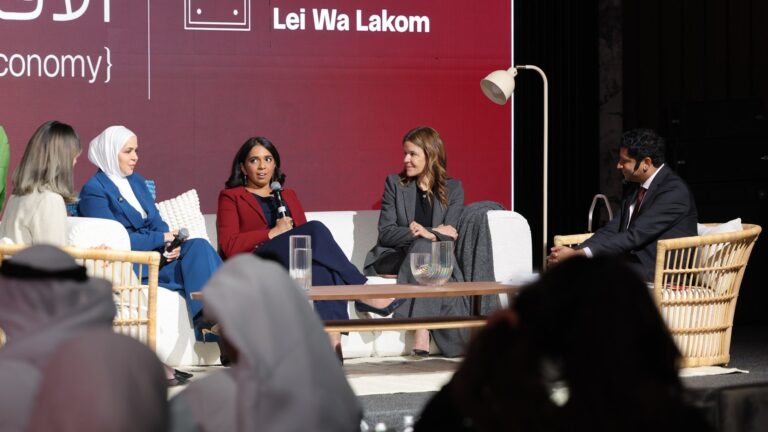
Fatmah Alkaabi, senior programmes manager at the Abu Dhabi Early Childhood Authority, outlined family-friendly work policies as a national strategy in an interview with Gulf Business, aligning the initiative with the UAE’s Year of the Family in 2026. Alkaabi stated that supporting parents in the workforce directly contributes to children’s wellbeing, development and family stability while addressing low parental time allocation. The authority’s Parent-Friendly Label programme, which she oversees, has expanded since its 2021 launch with cycle four applications closing on July 31, 2026, and now includes a pilot for government entities through collaboration with the Ministry of Family.
According to the Abu Dhabi Early Childhood Authority, the third cycle of the programme impacted 163,000 employees including 105,000 working parents, reflecting a 28 percent increase in total beneficiaries and a 57 percent rise in parents served compared with the previous cycle. Alkaabi told the publication that 12 organisations earned recognition in that cycle, with HSBC, Ethara and TAQA Transmission achieving the PFL+ tier for meeting or exceeding global standards while nine others secured the standard label for surpassing local requirements. The authority’s assessment evaluates applicants against 19 criteria across five categories: parental leave, flexible working, family care, family wellbeing, and workplace culture with innovation.
Alkaabi noted that Abu Dhabi children spend 60 to 70 percent of their week with nannies and only 30 to 40 percent with parents due to work commitments, a statistic the programme seeks to improve through enhanced policies. The authority reported that participating organisations often exceed the legal minimum of 45 days fully paid maternity leave by offering 90 days or more, alongside flexible arrangements, nursing facilities and support for parents of children with determination. An ECA impact report found that 71 percent of working parents reported better work-life balance after adopting these measures, with additional gains in employee engagement and productivity.
The Abu Dhabi Early Childhood Authority data places the cumulative reach of the programme at more than 311,000 employees across 25 sectors in the UAE since its inception, with over one million impacted when international effects are included. Alkaabi said in the discussion that the label serves as more than recognition and instead functions as a journey of continuous improvement, providing customised feedback reports to all applicants regardless of outcome. Previous recipients have included ADNOC, Cleveland Clinic Abu Dhabi, DP World, Procter & Gamble and Strategy& Middle East, demonstrating uptake across energy, healthcare, logistics and professional services.
Organisations from the private, semi-government and third sectors remain eligible for the voluntary, free-to-apply award, which remains valid for two years with an interim check-in, the authority said. Alkaabi emphasised that the programme encourages genuine cultural shifts so that policies such as unlimited nursing breaks, remote work options and family wellbeing resources become embedded rather than performative. The authority’s second impact report highlighted how these changes drive balance, growth and global competitiveness while contributing to broader national goals for family support and early childhood development.
In the context of 2026 as the Year of the Family, Alkaabi described the pilot with the Ministry of Family as a step toward embedding parent-friendly practices across all government bodies. The Abu Dhabi Early Childhood Authority encourages eligible entities to apply via parentfriendlylabel.ae and consult its applicant handbook for detailed criteria. Alkaabi’s comments underscore the programme’s evolution into a strategic tool for reducing parental stress and fostering environments where professional success complements family responsibilities.