ع



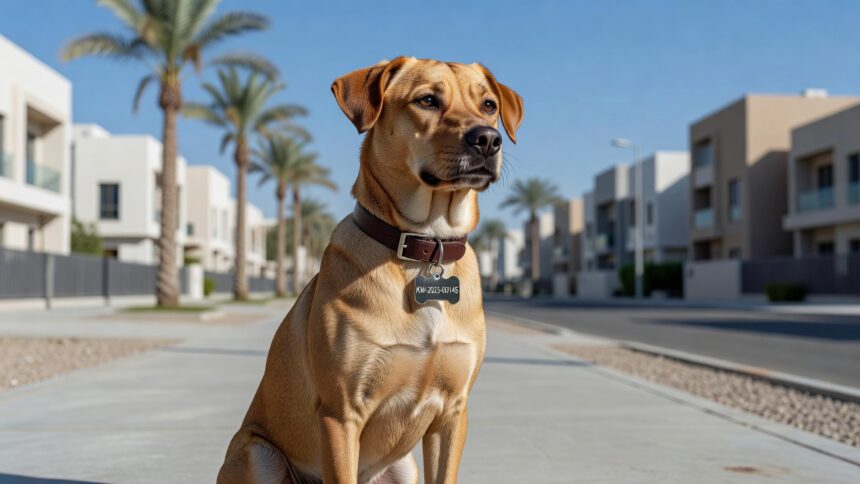
The Government Communication Center has detailed a series of obligations for dog owners aimed at enhancing public safety and animal welfare. Owners must secure an official license for each dog and equip the animal with a collar bearing a metal plate displaying its unique serial number. Dogs are required to undergo health examinations at authorised veterinary centres along with initial rabies vaccinations followed by annual boosters. Public spaces demand the use of both muzzles and leashes when walking dogs on roads or pavements.
Any suspicion or confirmation of rabies in a dog requires immediate notification to the veterinary centre under the new rules. The regulations prohibit approaching, touching, burying or otherwise handling animals infected or suspected of carrying the disease. These measures were revealed this month as part of efforts to address hygiene and health risks in residential neighbourhoods and public areas.
Violations of the dog ownership regulations carry penalties of imprisonment for a term not exceeding one month or a fine greater than 30 dinars or both according to the Government Communication Center. Times Kuwait reported on October 17, 2026 that the tightened framework extends to pet importation controls and standards for operating animal shelters across the country. The guidelines were developed in coordination with relevant authorities including the Ministry of Interior.
The Public Authority for Agriculture Affairs and Fish Resources banned commercial imports of dogs and cats in November 2025 while restricting private citizens to one dog per year under strict veterinary and procedural requirements. Authority teams captured thousands of stray dogs in neighbourhoods over the past year in response to public reports a PAAAFR assessment found. Residents may report stray animals through a dedicated hotline and WhatsApp service for rapid response and potential capture or sterilization.
Veterinarian Dr Abdulaziz Al-Ateeqi told Al-Qabas in a September 2026 interview that weak enforcement of Law No 9 of 1969 on dog licensing registration and vaccination has contributed to rising stray populations alongside Law No 112 of 2015 on animal welfare. The expert noted recurring dog bite incidents have highlighted gaps in tracking and oversight systems without sustained implementation. Latest regulations build on this legal foundation by strengthening compliance identification and veterinary controls.
The Ministry of Interior has stressed the importance of health checks and mandatory vaccinations to reduce rabies transmission risks to both animals and humans in the updated rules. Additional provisions cover licensing and operational standards for animal shelters to ensure humane treatment and proper management. These elements form part of the broader regulatory package aimed at responsible ownership and ecological balance.