
 ع
ع


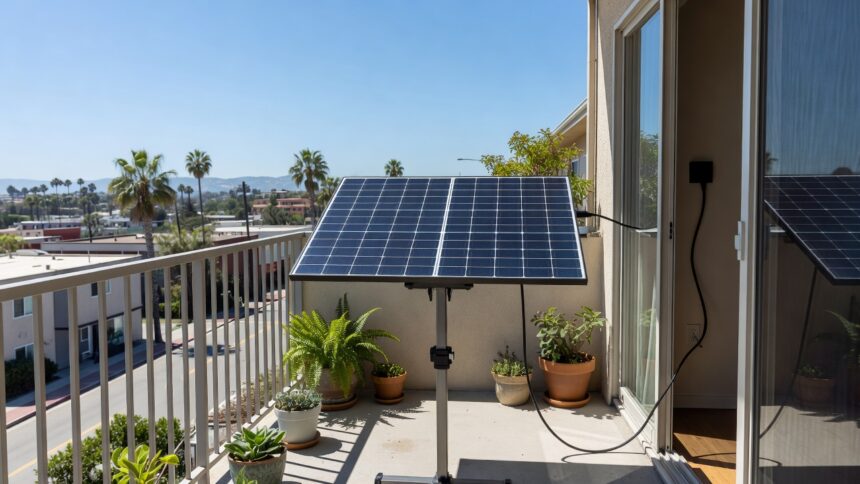
The California Assembly gave final approval to Senate Bill 868 by a 73-0 vote on August 25, 2026, after the Senate had passed an earlier version 35-1 in May, according to legislative records. Authored by Sen. Scott Wiener of San Francisco, the Plug and Play Solar Act reclassifies portable solar devices as appliances rather than power generation facilities. The measure now requires a procedural concurrence vote in the Senate due to amendments before it heads to the governor, who has until September 30 to act. If signed, the law would take effect on January 1, 2027.
Under the legislation, systems must be certified to national safety standards, automatically shut off during grid outages and limited to 1,200 watts per household, the bill text shows. Owners would register the devices through a simple online form with their utility instead of navigating a formal interconnection process that often involves fees and delays. The bill prohibits utilities from demanding prior approval or charging related costs for qualifying plug-in units that offset on-site consumption without exporting power to the grid. Wiener’s office has emphasized that the changes target renters and apartment dwellers who lack access to traditional rooftop installations.
A typical plug-in solar kit can reduce annual household electricity costs by as much as $450 depending on location and usage, according to an analysis released by Wiener’s office in May 2026. PG&E customers saw electricity rates rise nearly 40 percent between 2022 and 2025, adding urgency to efforts that expand consumer options for clean energy generation. Portable systems, which plug directly into standard 120-volt outlets, range in price from $300 to more than $2,500 and can power appliances such as refrigerators, lights and routers. The Environmental Working Group, a sponsor of the bill, described the technology as one of the most promising clean energy innovations available.
California would join at least eight other states that have enacted similar laws since 2025 if Newsom signs the bill, a Bloomberg report indicated on August 25. Utah became the first state to legalize plug-in solar in 2025, while Germany has installed more than one million such systems that collectively save consumers tens of millions of euros annually. The California measure includes an Assembly-added sunset provision that ends the interconnection exemption on January 1, 2030, unless lawmakers extend it. Labor unions representing firefighters and utility workers dropped their initial opposition after amendments ensured compliance with state and national electrical codes.
The bill’s sponsors highlighted how current rules treat small solar devices as grid-tied power plants, forcing cumbersome approvals that undermine the simplicity of plug-and-play designs. Wiener stated in a May 2026 news release that the legislation would streamline access for millions of Californians facing high energy bills while supporting the state’s clean energy targets. Registration requirements and anti-islanding technology would maintain grid reliability and safety, according to amendments incorporated during the committee process. The legislation reflects a broader national trend toward reducing barriers for small-scale solar adoption.
Newsom’s office has not yet indicated whether the governor will sign or veto the measure, multiple outlets reported in the days following the Assembly vote. Legislative leaders expect the final Senate concurrence to occur before the August 31 deadline for bill passage. Proponents argue that widespread adoption could ease pressure on the electrical grid during peak demand periods. The bill’s passage comes as California continues to grapple with rising electricity costs and ambitious renewable energy goals set by state law.