ع



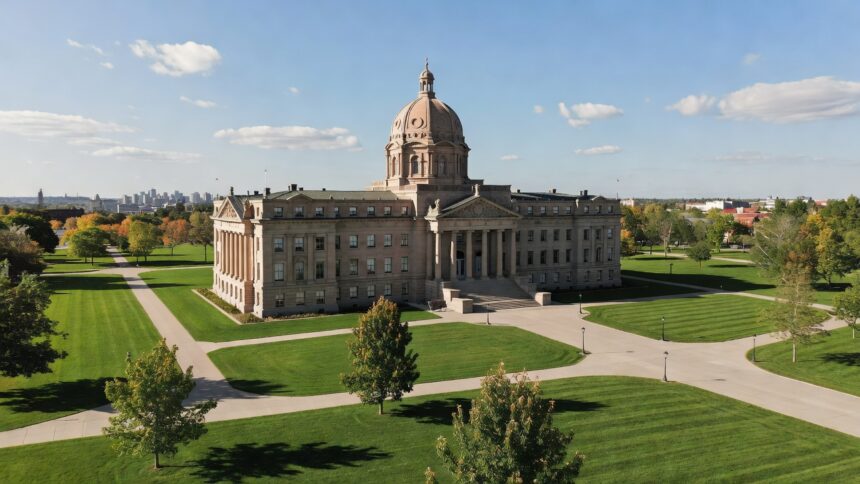
Elections Alberta’s unofficial results from the October 19 referendum placed support for remaining a province of Canada at 76.3 percent with 23.7 percent backing the start of a legal process toward a binding independence vote based on more than 1.3 million ballots counted. CBC News projected the outcome early on October 20 citing clear trends in the returns from urban centers like Edmonton and Calgary where backing for unity exceeded 80 percent in initial counts. The non-binding plebiscite featured 10 questions on various provincial powers but the separation query drew the most attention as the first such public vote in the province’s history. Emirates 24|7 reported the result as a clear choice to remain in Canada.
The ballot asked whether Alberta should remain a province of Canada or whether the government should begin constitutional steps for a future binding referendum on separation according to a Reuters breakdown of the measure. Premier Danielle Smith who backed the vote had pledged to respect the outcome and pursue a second referendum if the separation path prevailed a Reuters report noted prior to the balloting. Smith had campaigned for the remain option despite allowing her party members freedom on the issue.
Frustrations over federal energy policies carbon taxes and a trade war with the United States had fueled the separatist movement in the oil-rich province an Al Jazeera assessment found. Support for independence had hovered around 25 percent in pre-referendum polls including a Leger survey that showed 70 percent of Albertans preferred to stay in Canada. The referendum arrived less than a year after Prime Minister Mark Carney’s Liberal government took power in 2025 federal elections.
Carney who was raised in Alberta urged voters to reject the separation option in a late campaign appearance in Calgary warning that it would bring years of uncertainty. The prime minister said the frustrations that many Albertans have felt are real in the speech covered by multiple outlets including CNN. He added that separation would burden the province with deep division at a time of global instability.
The vote marked Canada’s first plebiscite on secession since Quebec’s narrow rejection in 1995 Bloomberg reported in its coverage. A Clarity Act passed in 2000 sets a high bar for any future negotiations requiring a clear majority on a clear question according to constitutional experts cited in the Reuters explainer. Alberta’s process would have involved consultations with First Nations and federal approval if the initial step had passed.
With polls closing at 8 p.m. local time on October 19 hand counting of ballots began immediately Elections Alberta said with full unofficial results expected within 48 hours and official certification by October 29. Turnout appeared robust compared with the province’s 2021 referendum though exact figures were still being tabulated as of early October 20. Results on the other nine questions covering immigration healthcare and voter rules were to be released after the separation tally.