
 ع
ع


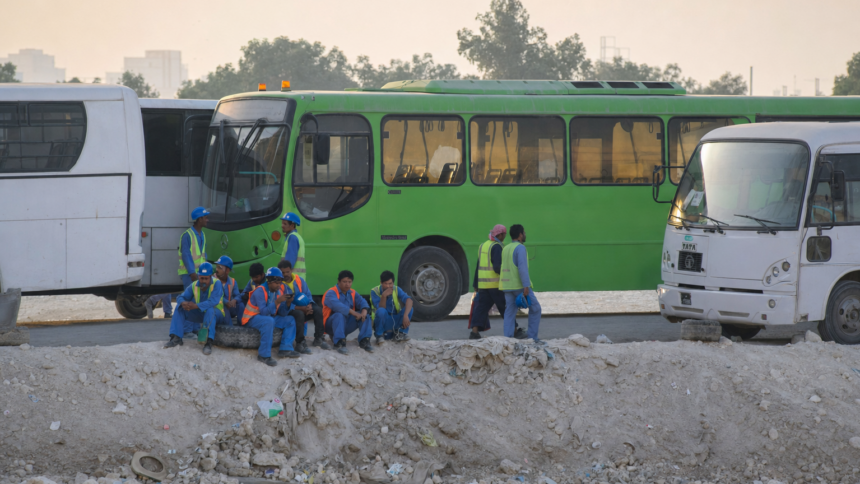
The Ministry of Labour conducted multiple inspection campaigns across Qatar throughout the summer, resulting in the closure of 388 work sites where violations of the summer working hours regulations were confirmed. According to the ministry, these actions fall under Ministerial Decision No. 17 of 2021, which prohibits work in open outdoor spaces or inadequately ventilated shaded areas between 10 a.m. and 3:30 p.m. from June 1 until September 15 each year. A ministry statement distributed this week indicated that the closures, which can last up to one month in some cases, serve as a deterrent to ensure employers prioritize worker protection from heat stress.
Inspectors from the Occupational Safety and Health Department carried out regular field visits and responded to public reports, identifying breaches that prompted the minister to order temporary shutdowns at the affected locations. The ministry has also promoted reporting channels, including a dedicated hotline at 40488264 and an email address, to allow workers and the public to flag non-compliance directly. In parallel with enforcement, the authority launched the Heat Stress Prevention Campaign in cooperation with government and private partners to raise awareness about risks associated with high temperatures.
The regulations apply not only to workers exposed to direct sunlight but also to those in enclosed spaces lacking proper ventilation, a ministry assessment found. Employers must establish clear schedules that limit morning work to end before 10 a.m. and resume only after 3:30 p.m. during the restricted period. Data from a comparable 2024 enforcement drive, which Qatar Tribune reported detected 368 violations, illustrates the scale of monitoring required in a market where summer temperatures frequently exceed 40 degrees Celsius.
Ministry officials have stressed that confirmed violations trigger legal measures, including potential publication of offending company names on the ministry’s website under recent labour law amendments. The approach aligns with broader occupational safety standards that the ministry has said support Qatar National Vision 2030 by reducing workplace injuries and promoting healthy environments. Public Authority for Civil Information figures place the expatriate workforce, which forms the majority of those employed in outdoor sectors, at more than two-thirds of the total population.
As the summer ban period concluded on September 15, the ministry issued a follow-up reminder that safety protocols must continue beyond the formal restrictions. Seminars organized during the campaign focused on recognizing heat stress symptoms, the importance of hydration and rest breaks, and compliance with legal requirements. The ministry’s integrated strategy combines intensified inspections with educational outreach targeting both employers and workers across all regions.
A ministry spokesman noted that the Occupational Safety and Health Department will maintain its inspection plan year-round to uphold standards even as temperatures moderate. Partnerships with entities such as the Ministry of Public Health have expanded the reach of awareness efforts, including workshops that trained participants on preventive practices. These ongoing initiatives reflect the authority’s commitment to aligning local practices with recognized international occupational health benchmarks.