
 ع
ع


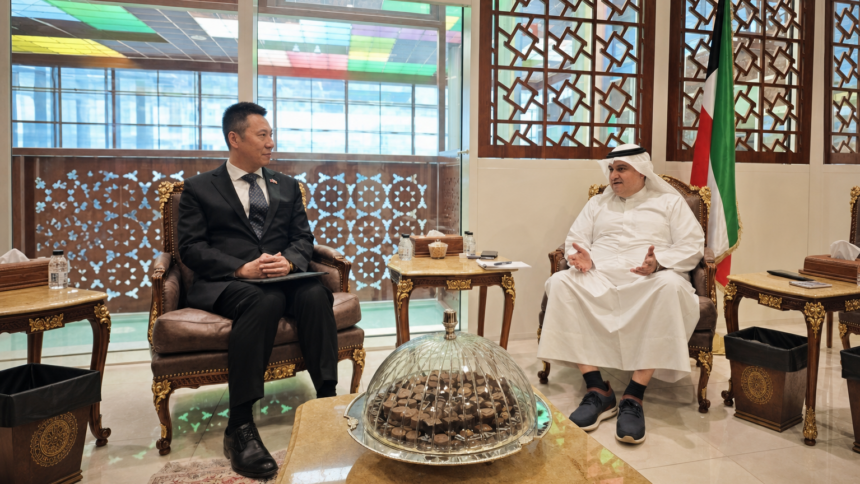
The Ministry of Justice statistics show the cases fell from 486 in the corresponding period the previous year to 328, a reduction of 158 matters that Al-Sumait described as an early indicator of the legislation’s success in bolstering family safeguards while curbing procedural misuse. The minister, who spoke in a statement to the Kuwait News Agency, noted that the law channels protection toward authentic incidents without weakening support for vulnerable parties. This development arrives as part of wider judicial reforms that have reshaped how family disputes are handled across the system.
The decree-law, containing 31 articles, secured cabinet approval on Feb. 10 before its publication in the official gazette in mid-March, according to the minister. It covers spouses under formal marriage contracts, relatives up to the second degree, stepchildren and individuals sharing custody or alternative family care arrangements. Kuwait’s submission to the UN Human Rights Committee outlined how the statute creates an integrated structure for prevention, victim support, shelter services and strengthened intervention for at-risk groups.
Al-Sumait explained that the legislation sets clear rules for lodging complaints while opening avenues for reconciliation in suitable family conflicts that respect the character of such disputes. At the same time, it maintains rigorous barriers against withdrawal or settlement in grave matters, among them sexual abuse, assaults by children on parents and violence targeting minors or those with diminished legal capacity. The minister emphasized that fewer recorded cases do not signal any slackening in victim defense but instead demonstrate refined rules that prioritize substantive protection.
The new framework introduces emergency judicial orders that may compel abusers to vacate the family residence or avoid contact with victims, a Kuwaiti government report to the OHCHR stated. It further establishes mandatory reporting duties, guarantees reporter anonymity and bars coerced withdrawal of complaints to ease pressures often faced within households. These elements build on earlier statutes while expanding both legal remedies and institutional backing for those affected.
National statistics for 2025 recorded 924 complaints tied to domestic violence and child abuse, with shelters arranged in 19 instances involving 17 women and two children, according to the same UN submission. During the initial quarter of 2026, officials conducted 81 specialized psychological and social support sessions, encompassing both new and ongoing matters through in-person, telephone and emergency channels. Such figures illustrate the parallel expansion of care services alongside the legislative adjustments.
When Al-Sumait provided a broader update in August, he reported that overall violent crimes presented to prosecutors had declined 53.2 percent in the first half of 2026 against the same span of 2025, with the domestic violence statute listed among the principal reforms. Assault and battery prosecutions fell 63.6 percent to 137 from 376, while threats to kill or inflict harm decreased 43.4 percent to 56 from 99. Suicide-related cases also dropped 44.3 percent, underscoring the cumulative reach of the updated penal and procedural measures.