
 ع
ع


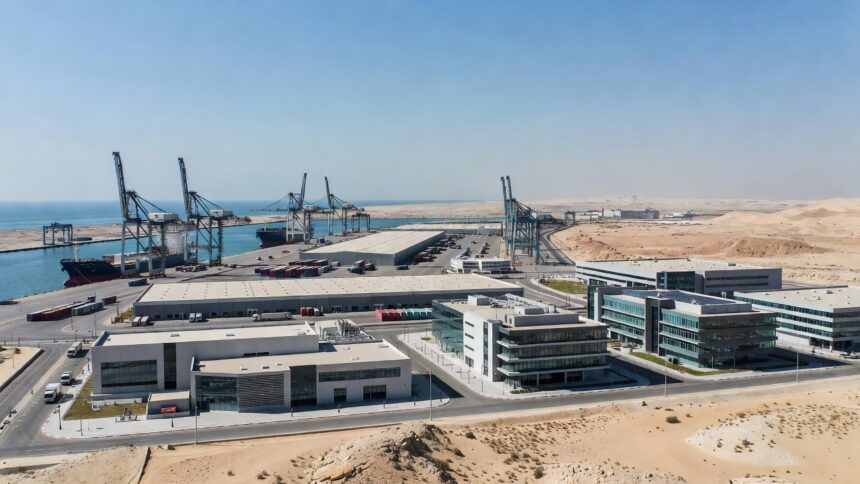
The Saudi Cabinet approved regulatory frameworks governing four special economic zones on January 2, 2026, marking their shift to full operational and legal status with provisions on incentives, licensing regimes and ownership flexibility. The zones covered by the decision include Jazan, Ras Al-Khair, King Abdullah Economic City and the Cloud Computing and Informatics Zone in Riyadh, according to a report in Asharq Al-Awsat. Publication in the Official Gazette followed on January 16, setting the stage for the rules to apply uniformly across the designated areas.
Those frameworks will take effect on April 16, 2026, exactly 90 days after publication, a timeline confirmed in subsequent analyses by KPMG. The regulations exempt qualifying companies from certain provisions of the Companies Law, the Commercial Register Law and the Trade Names Law while detailing targeted tax and customs measures. The Economic Cities and Special Zones Authority holds responsibility for overseeing licensing and compliance under the new structure.
Jazan special economic zone will position itself as a hub for food processing, mining and manufacturing, drawing on its port infrastructure and connections to African markets. Ras Al-Khair focuses on maritime industries, shipbuilding, offshore rigs and marine support services aligned with its industrial base. King Abdullah Economic City targets logistics operations alongside high-value manufacturing and automotive activities, as set out in the approved documents.
The Cloud Computing and Informatics Zone seeks to draw technology investment, with the Vision 2030 programme projecting $20 billion in targeted investment by 2030 for the sector.[[1]](https://www.vision2030.gov.sa/en/explore/projects/special-economic-zones) Qualifying businesses across the zones stand to receive a corporate income tax rate of 5 percent for up to 20 years, customs duty exemptions on capital equipment and inputs, and zero percent VAT on intra-zone transactions. Flexible Saudization requirements tailored to each zone’s activities and provisions for multilingual trade names form additional elements of the package.
The frameworks complete the legal architecture for zones first designated in 2023, supplying investors with the clarity needed for long-term commitments in sectors that support national economic goals. Saudi Arabia operates five special economic zones when counting the Riyadh Integrated Special Logistics Zone, according to Vision 2030 documentation. Each location aligns its priorities with broader objectives to reduce reliance on hydrocarbons through diversified industrial activity.
Supplementary rules may be issued by the authority in coordination with the Ministry of Commerce to address evolving commercial needs within the zones, a point highlighted in reviews by international law firms. The structure also includes streamlined administrative processes and access to infrastructure designed to enhance competitiveness. Investors can now reference the consolidated requirements when evaluating establishment within any of the four areas covered by the January decision.