
 ع
ع


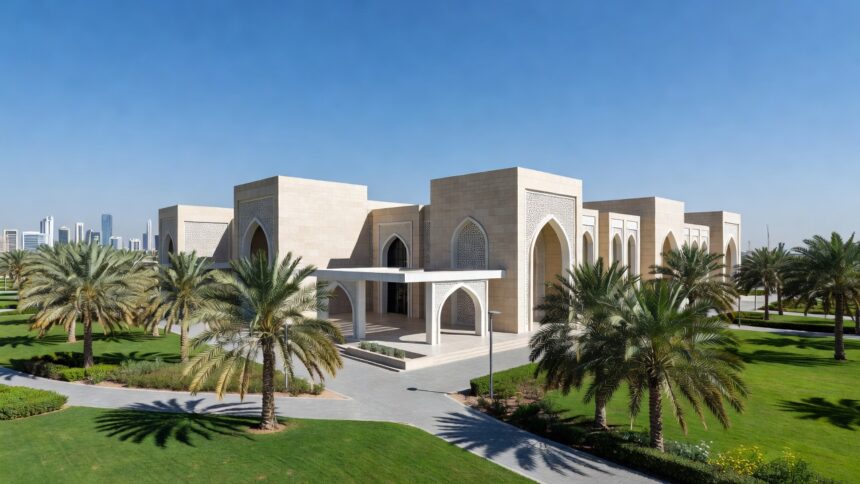
The binding rules, published in the Umm Al-Qura official gazette, apply to all publicly owned facilities including those in municipal, educational, cultural, sports, religious, health and transportation fields. Each concerned government entity is required to prepare executive bylaws that specify the organisational, technical, procedural and governance mechanisms for naming. These bylaws must be implemented once the regulations enter into force roughly four months after publication.
Prohibitions under the new standards include naming facilities after Saudi Kings, Crown Princes or heads of allied states without obtaining direct approval from the King. Names that conflict with Islamic Sharia are explicitly disallowed across the board. Only seven of the Names of God can be employed: Al-Salam, Al-Adl, Al-Awwal, Al-Nur, Al-Haqq, Al-Shahid and Al-Malik, as detailed in reports from Saudi Gazette and Gulf News.
Facilities named after private individuals will require prior verification of the honoree’s criminal, security and ideological background through coordination with the appropriate authorities. The chosen name must also align with the person’s social standing and achievements. This integrity check represents a key element of the updated framework for public asset designation.
Responsible entities will conduct naming in accordance with the regulations, while the Ministry of Municipal and Rural Affairs and Housing will define official name categories following inter-agency consultations. The head of each entity holds final approval rights, with the option to delegate this function. Numerical or coded identifiers are acceptable as substitutes for descriptive names.
Databases of all assigned facility names must be kept current by the responsible bodies and forwarded each year to the General Authority for Survey and Geospatial Information. The new rules supersede any conflicting earlier provisions on the naming of streets and squares. Implementation is anticipated around May 2026 based on the January publication date.