 ع
ع

The Washington Post reported on September 25 2026 that a US intelligence assessment shared with Congress found Saudi Arabia has not ruled out developing a nuclear weapons program. This evaluation has amplified concerns among lawmakers examining a nuclear cooperation agreement the United States concluded with Saudi Arabia two months earlier. A bipartisan group of senators has signaled it may attempt to block the pact during the ongoing 90-day congressional review period.
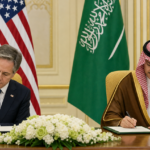
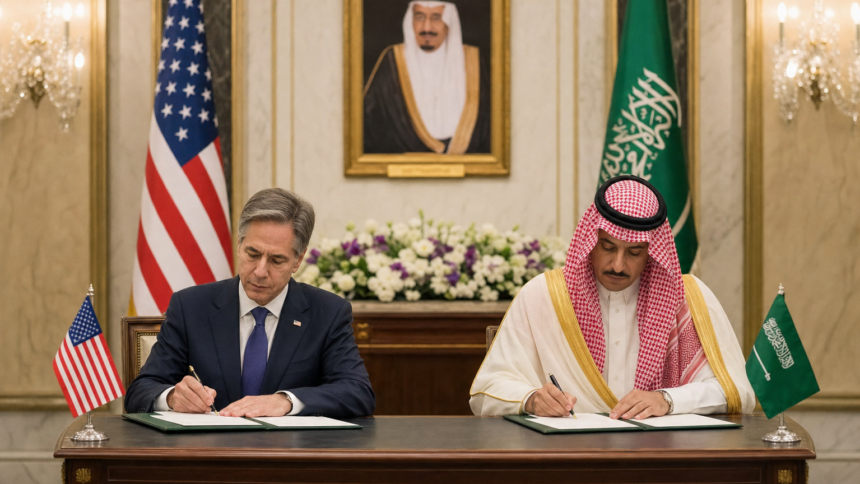
The pact known as a 123 Agreement was signed on July 22 by US Energy Secretary Chris Wright and Saudi Minister of Energy Prince Abdulaziz bin Salman the US Department of Energy stated. It enables US firms to support Saudi nuclear energy projects and includes provisions for uranium enrichment on Saudi territory after a joint feasibility study according to Reuters. The agreement omits the IAEA Additional Protocol for enhanced inspections a step that distinguished prior US nuclear pacts with other nations.
Asia Times reported via MENAFN that the 30-year deal permits Saudi Arabia to build an enrichment facility and reprocess nuclear waste raising questions about whether the program will remain strictly civilian. Crown Prince Mohammed bin Salman stated in 2018 “Saudi Arabia does not want to acquire any nuclear bomb but without a doubt if Iran developed a nuclear bomb we will follow suit as soon as possible.” Saudi officials have repeatedly tied their nuclear ambitions to developments in Iran’s program a connection highlighted across multiple assessments.
The New York Times reported that the agreement marks a departure from the gold standard applied in the 2009 US-UAE nuclear deal under which Abu Dhabi forwent enrichment and reprocessing entirely. Saudi Arabia has pursued such cooperation with Washington for more than five years pressing for terms that allow greater autonomy in the fuel cycle. US officials speaking anonymously told reporters that the pact includes a bilateral safeguards framework intended to mitigate proliferation risks.
Democratic senators led by Ed Markey and Jeff Merkley wrote that the Trump administration has caved to Saudi demands by allowing a pathway to enrichment up to 20 percent The Washington Post said. They argued the arrangement could enable diversion of nuclear material for military purposes amid ongoing regional tensions. The Council on Foreign Relations noted in an analysis that the deal risks setting a precedent that weakens global norms against the spread of sensitive nuclear technologies.
The Wall Street Journal first disclosed key elements of the agreement ahead of its formal announcement stating it would last 30 years and limit participation in the Saudi nuclear sector to US entities. President Donald Trump later linked implementation of the pact to Saudi Arabia’s accession to the Abraham Accords a condition introduced after the initial signing Vox reported on July 24. The intelligence assessment has added new urgency to the congressional debate as the review period advances toward its conclusion.