ع



The Mohammed bin Rashid Al Maktoum Global Initiatives partnered with UNICEF and the Children’s Investment Fund Foundation on a $300 million programme to save 3 million children from malnutrition as part of the Edge of Life campaign, which ultimately raised 2.822 billion dirhams from more than 44,000 donors and surpassed its original 1 billion dirham target, according to the Emirates News Agency. Launched by Sheikh Mohammed bin Rashid Al Maktoum in February, the campaign focuses on sustainable projects to rescue 5 million children worldwide from hunger while protecting another 30 million from the threat of malnutrition. The agency noted that 45 percent of deaths in children under five globally are linked to malnutrition, equating to some 2.6 million lives lost each year.
The UAE provided a $20 million grant to the World Food Programme to assist conflict-affected populations in Sudan and dispatched 30 tonnes of food aid to Kenya for families impacted by drought and climate challenges, WAM reported. In addition, the UAE Aid Agency allocated $8 million to Chad under presidential directives to counter the food crisis triggered by the El Niño phenomenon, which has intensified hunger and malnutrition risks across vulnerable communities. Dr. Tareq Ahmed Al Ameri, chairman of the UAE Aid Agency, stated that extreme climate events combined with rising temperatures, altered rainfall and water scarcity directly undermine agricultural production and livelihoods, necessitating integrated responses that address immediate needs while building long-term resilience.
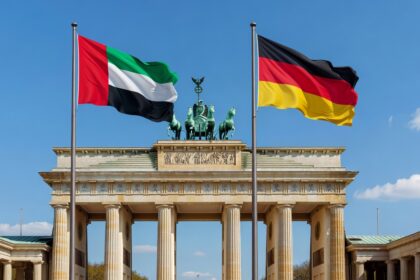
The UAE secured election to the World Food Programme Executive Board for the 2026-2028 period, a development that broadens its role from donor to participant in shaping global anti-hunger strategies and humanitarian supply chains, according to a WAM assessment. This position complements earlier leadership steps, including the country’s hosting of Global Food Week in Abu Dhabi in October and its chairing of the FAO Regional Conference for the Near East earlier in the year. A related FAO report highlighted how such engagements help translate policy support into practical gains for sustainable agriculture and food safety across the GCC and Yemen.
Hunger across the Near East and North Africa reached 77.5 million people in 2024, equivalent to 15.8 percent of the regional population and the highest level in more than two decades, a 2025 FAO overview found. The same Food and Agriculture Organization data showed that four in ten residents experienced moderate or severe food insecurity, up from one in three in 2015, with conflict, climate shocks, economic pressures and supply-chain disruptions cited as primary drivers. FAO chief economist Maximo Torero noted that while global hunger eased to 7.8 percent of the world population in 2025, the Near East and North Africa continued to diverge from broader positive trends.
The 1 Billion Acts of Kindness campaign, backed by the Mohammed bin Rashid Al Maktoum Global Initiatives and the Varkey Foundation, formed another pillar of the UAE’s 2026 nutrition expansion efforts, the Emirates News Agency said in its October 16 dispatch. Parallel innovation drives included the UAE FoodTech Challenge 2026, whose winners gained entry to the national agri-tech ecosystem and are expected to support resilient solutions for arid climates, according to event organisers. Rima Al Mokarrab, chair of Tamkeen and co-chair of the FoodTech Challenge, remarked that building resilient food systems remains central to the UAE’s long-term vision, with past winners having raised more than $48 million in follow-on funding and launched over 50 pilot projects.
Domestically, the ne’ma national initiative aims to reduce food loss and waste by 50 percent by 2030 through measurement, targeted solutions across the supply chain and community awareness, the UAE government portal stated. The Emirates Council for Food Security, established by cabinet decision, coordinates efforts toward the National Food Security Strategy 2051, which sets a goal of raising self-sufficiency in key commodities to 70 percent by 2040. These measures reinforce the country’s international aid by enhancing local resource efficiency and strategic reserves, as demonstrated during recent regional supply disruptions.