
 ع
ع


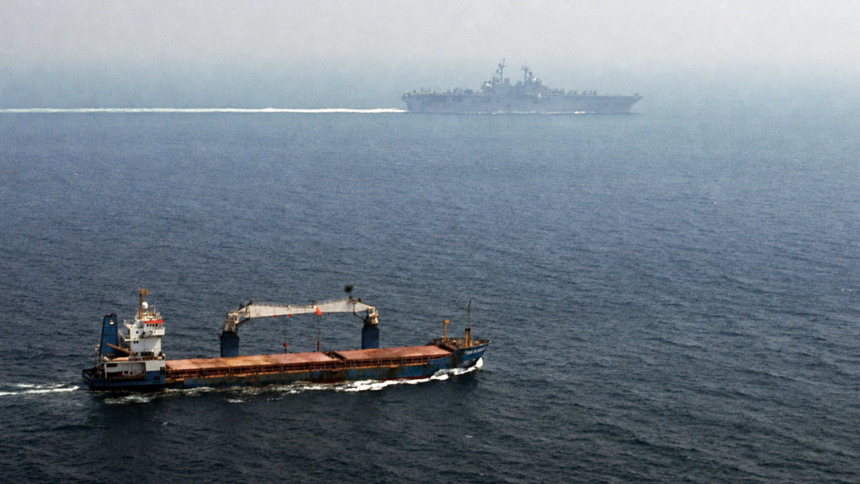
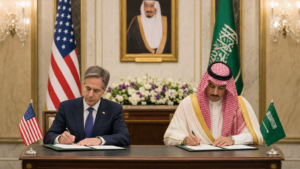
Iran’s Supreme National Security Council announced a 60-day suspension of planned transit fees for all commercial vessels using the Strait of Hormuz as an initial step to implement the memorandum of understanding signed with the United States. The Persian Gulf Strait Authority instructed operators to submit requests at least 48 hours before arrival while continuing to coordinate routes around remaining mine-affected zones. US Central Command separately confirmed that American forces had halted all blockade enforcement actions around Iranian ports and coastal waters. The parallel measures marked the first concrete implementation of the 14-point framework reached in mid-June.[[1]](https://www.indiatoday.in/world/story/iran-waives-strait-of-hormuz-transit-fees-for-60-days-under-us-agreement-2929530-2026-06-19)
EnterpriseAM reported that while Iran may waive its Hormuz fee to end the US blockade, shipowners need more than an open strait before committing vessels at pre-conflict volumes. Operators continue to cite elevated insurance costs, incomplete demining and the absence of long-term security guarantees as barriers that a temporary fee waiver alone cannot resolve. The analysis underscored that commercial confidence depends on verifiable reductions in perceived risk across multiple dimensions.
US Secretary of State Marco Rubio stated that Iran will not be permitted to charge tolls or fees for vessels transiting the Strait of Hormuz under any final agreement with Washington. “It’s an international waterway. No country is allowed to charge tolls or fees on an international waterway,” Rubio said during a regional tour. Iranian officials have countered that they intend to introduce service fees after the 60-day period expires, framing them as compensation for navigational, safety and environmental support. A professor at the University of Applied Sciences in Tehran told Al Jazeera that Iran is unlikely to abandon such plans permanently.[[2]](https://www.aljazeera.com/news/2026/6/24/rubio-says-iran-cannot-charge-tolls-in-hormuz-what-we-know)
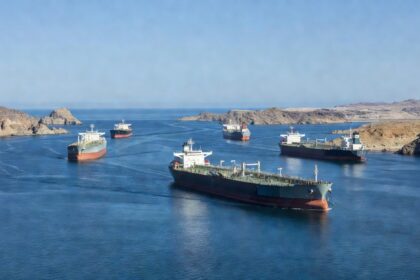
Maritime tracking firm AXSMarine recorded 25 commercial vessel crossings on a single day in mid-June, the highest daily total since mid-April and more than five times the average seen in early June. Traffic had fallen sharply during the preceding US-Iran conflict when Iran blockaded the waterway and the United States imposed its naval restrictions. Industry estimates placed Iranian charges during the closure period at roughly $1 million to $2 million per tanker depending on size and cargo, according to reports reviewed by JINSA.[[3]](https://jinsa.org/jinsa_report/oil-for-tehran-not-us-removing-irans-strait-jacket-on-global-energy-flows/)
A senior Iranian negotiator told state television that the strait would not return to its prewar status of free passage, while US officials described any permanent fee as unacceptable. The memorandum requires Iran to make its best efforts to ensure safe passage with no charge for the initial 60 days. Experts monitoring the situation noted that insurance markets and shipping schedules adjust slowly even after physical blockades lift.[[4]](https://www.newsweek.com/did-iran-just-get-tolls-for-strait-hormuz-12090257)
The Strait of Hormuz handles close to a fifth of the world’s oil, a volume that sent benchmark crude prices surging when the waterway was contested earlier in the year. Restoration of steady traffic could ease pressure on global energy markets, yet sustained growth will hinge on the durability of the US-Iran understanding. Shipping associations have called for clearer rules on liability and coordination with Omani authorities before full operations resume.