
 ع
ع


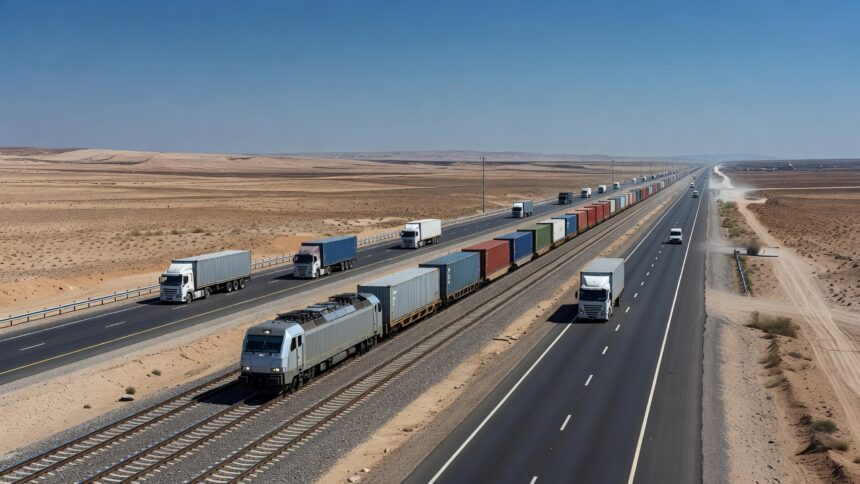
The Saudi Gazette reported that Saudi Arabia and Syria signed four agreements during a ceremony in Damascus on August 27 to strengthen bilateral cooperation in roads, railways, postal services and aviation. Saudi Minister of Transport and Logistics Saleh Al-Jasser joined Syrian Minister of Transport Yarub Badr for the signing, which followed direct talks on expanding trade volumes and easing the cross-border movement of goods. The pacts encompass two memoranda of understanding that focus on transport and logistics with particular attention to railway and land transport sectors.
According to SANA the agreements aim to build institutional capacity, facilitate expertise exchanges and support technical studies that will help rehabilitate Syrian roads and railway networks while stimulating transportation and commercial activity throughout the country. Al-Jasser emphasised the Kingdom’s commitment to strengthening cooperation and partnership with Syria while advancing relations at the governmental and private-sector levels as well as through international organisations. Badr expressed Syria’s aspiration to deepen joint work with the Kingdom across transport and logistics fields particularly by developing land transport and railway networks and drawing on Saudi expertise.
The Saudi Gazette noted that the accords were concluded at a time of growing regional interest in connectivity and transport projects aimed at establishing alternative land and rail routes to improve trade flows between the Middle East, Asia and Europe. Arab News reported that approximately half of Syria’s 2,552-kilometre railway network is currently out of service, highlighting the scale of rehabilitation required. The agreements form part of wider efforts to rebuild economic relations between the two countries following years of disrupted ties.
DataSaudi figures show that Saudi exports to Syria reached 1.9 billion riyals in 2025 while imports from Syria stood at 820.8 million riyals, indicating steady growth in bilateral commerce. An IMARC Group assessment found that the Middle East logistics market stood at $250 billion in 2024 and is projected to reach $407.1 billion by 2033 at a compound annual growth rate of 5.57 percent. Asharq Al-Awsat reported that Saudi companies had earlier in 2026 signed investment partnerships and strategic contracts with Syrian entities valued at up to 20 billion riyals spanning aviation, telecommunications, infrastructure and development initiatives.
SANA stated that the ministers discussed ways to intensify collaboration in transportation and logistics while expanding trade exchanges and simplifying procedures for goods movement in both directions. Badr commended Saudi steps to facilitate visa issuance for truck drivers, which he said would support increased trade flows between the two countries. The Syrian minister added that the visit occurred as Syria experiences rapid developments in its economic and trade sectors, creating new opportunities for partnership.
Arab News reported that the transport pacts were signed a day after Syria and Lebanon agreed on a unified plan to develop road and rail links and formed a joint technical team to oversee implementation. The proposed connections could integrate into a larger regional network extending toward the Gulf, according to the same report. Syrian officials indicated that the Saudi agreements would contribute to reduced transport costs and improved integration with neighbouring markets.