 ع
ع


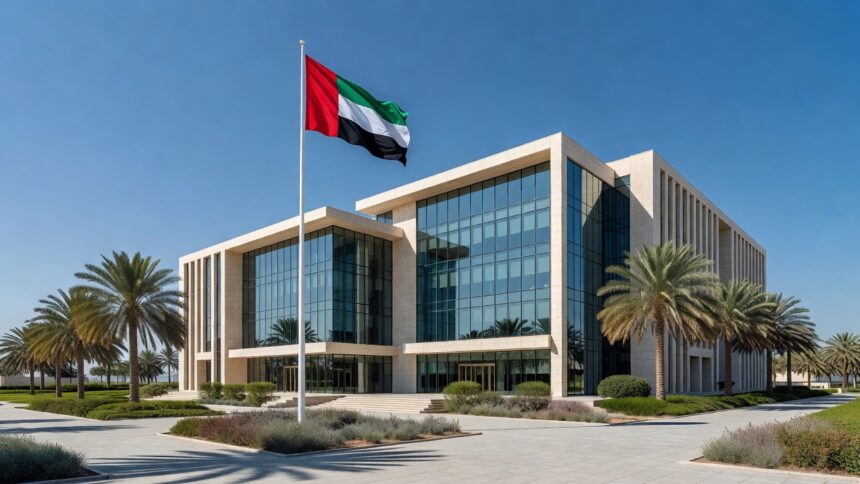
The UAE Ministry of Foreign Affairs released a statement on September 8, 2026 that the government does not comment on media stories or speculation about conversations between leaders. The ministry added that the country’s engagement since October 7, 2023 has remained focused on de-escalation, regional stability and preventing violence. UAE and Israeli government entities have maintained open and direct lines of communication since the start of their relationship more than five years ago. When necessary, relevant intelligence has been and continues to be communicated between the relevant entities, according to the statement distributed by the Emirates News Agency.
The statement followed a Haaretz report that alleged UAE President Sheikh Mohamed bin Zayed Al Nahyan warned Israeli Prime Minister Benjamin Netanyahu of a planned Hamas operation roughly 10 days before the October 7, 2023 attack. The newspaper, citing mostly anonymous sources in an excerpt from a forthcoming book by its reporters, said Netanyahu responded calmly to the warning. Israeli opposition leaders quickly seized on the report to intensify criticism of Netanyahu’s handling of security matters prior to the attack.
Gadi Eisenkot, a former military commander and prominent opposition figure, wrote on X that Netanyahu had received dozens of warnings before October 7 yet ignored them all. Eisenkot described the prime minister as unfit to serve, a view that gained traction among other opposition voices ahead of Israel’s scheduled elections on October 27. The political fallout from the Haaretz investigation has added to existing pressures on Netanyahu’s government.
The ministry’s statement stopped short of confirming or denying any specific conversation while underscoring the existence of established communication channels. An Israeli source familiar with the matter told CNN that Netanyahu’s office had pressed the UAE for a flat denial of the report but received the measured response instead. The UAE and Israel established full diplomatic relations through the Abraham Accords signed in 2020.
Bilateral cooperation has since expanded across multiple sectors, with security and intelligence coordination forming a central element of the partnership according to repeated government statements from both sides. The latest release from the UAE Ministry of Foreign Affairs reiterated that all relevant intelligence continues to be shared when necessary. This approach aligns with the UAE’s documented emphasis on diplomatic solutions to regional conflicts since the outbreak of violence in October 2023.
The statement appears in full on the official Ministry of Foreign Affairs website and was carried by state news outlets including WAM. It echoes similar language used by the ministry in past responses to media inquiries about high-level discussions. UAE officials have consistently directed public focus toward de-escalation efforts rather than individual exchanges in the years following the normalization agreement.