
 ع
ع


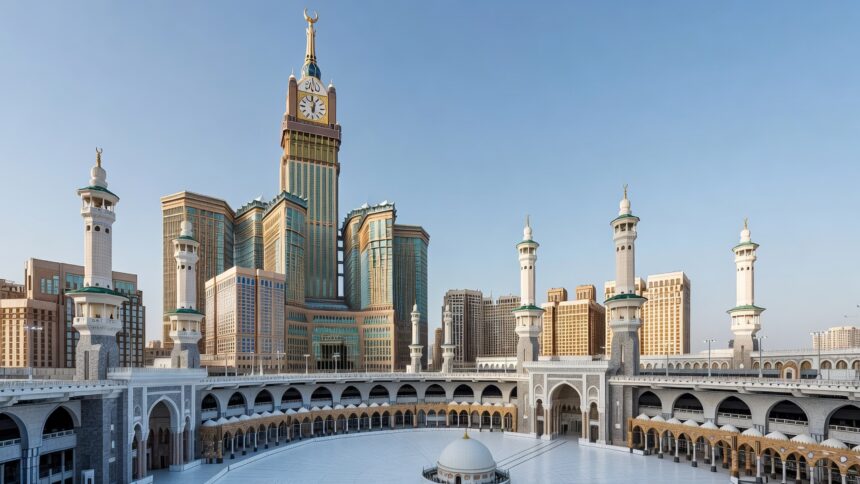
The Saudi Ministry of Interior introduced fresh restrictions ahead of the 2026 Hajj season that rendered all categories of visit visas invalid for pilgrimage purposes. Entry to Mecca and the sacred sites became limited exclusively to individuals bearing official Hajj permits during the specified window. The measures took effect from the beginning of Dhu Al Qi’dah and remained in force until the 14th of Dhu Al Hijjah. Authorities communicated the updated rules through multiple official channels to ensure widespread awareness among residents and visitors alike.
Penalties for breaching the regulations included financial sanctions of up to SR20,000 for any person caught performing or attempting Hajj without the required permit. Residents and visa overstayers faced the additional prospect of deportation together with a 10-year prohibition on returning to the Kingdom. The Ministry of Interior outlined these consequences in its public statements on the matter. Enforcement focused on maintaining the integrity of the pilgrimage quota system that governs participant numbers each year.
The new controls coincided with the final departure deadline for Umrah pilgrims on April 18, 2026. Gulf News reported that date as the cutoff for Umrah visa holders to exit the country. This alignment supported the broader logistical transition toward Hajj-specific operations at the holy sites. The Ministry of Interior coordinated both sets of requirements to streamline movement in and around Mecca and Medina.
Official statistics illustrated the volume of pilgrims the permit system managed during the 2026 season. The General Authority for Statistics placed the total number of participants at 1,707,301. International pilgrims accounted for 1,546,655 of the figure according to the authority while domestic pilgrims from among citizens and residents totaled 160,646. Those counts represented a modest increase over the 1.67 million recorded for the 2025 Hajj.
The official Hajj portal maintained that only citizens with national identification or residents with valid permits could undertake the pilgrimage. Visit visas and similar temporary documents offered no eligibility pathway under standing regulations. The Ministry of Interior reiterated this requirement across its communications and online resources. Such clarifications helped prevent confusion among the millions of foreign visitors present in the Kingdom at any given time.
Reporting mechanisms allowed members of the public to notify authorities of suspected violations while protecting informant identities. The Ministry of Interior designated specific emergency numbers for different regions including 911 in Mecca and 999 elsewhere in the Kingdom. All tips would receive confidential handling with no liability attached to the person providing information. This network supplemented physical checkpoints and visa screenings already in place at entry points.