
 ع
ع


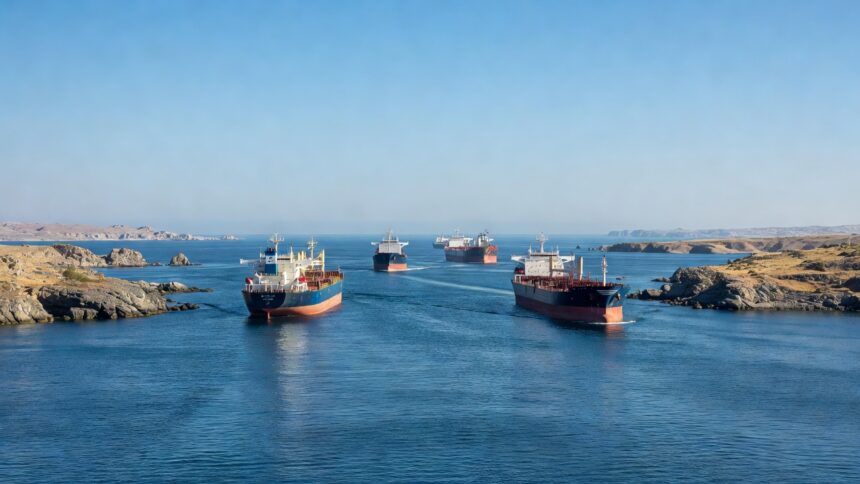
GCC member states have introduced a draft resolution that seeks to address ongoing threats to maritime navigation, Arab Times reported on April 16, 2026. The text calls for enhanced coordination among the bloc’s maritime authorities to safeguard commercial shipping and maintain open sea lanes essential for global trade. It further commits participants to measures that deter violations while promoting information exchange between naval and security agencies across the region.
The resolution reaffirms the GCC’s collective rejection of any actions that endanger freedom of navigation or interrupt international commerce flows, according to the Arab Times account. It builds a structure for joint operational responses, including vessel protection protocols and improved liaison among relevant bodies in member countries. Such steps align with longstanding principles of international maritime law that require states to preserve secure passage for lawful shipping activities.
A parallel initiative at the United Nations Security Council saw Bahrain submit a draft on behalf of the GCC countries and Jordan that encouraged coordinated defensive efforts to secure transit through the Strait of Hormuz. The proposal demanded an immediate end to attacks on merchant vessels and any interference with freedom of navigation in the waterway, the Security Council Report indicated. It additionally called for cessation of strikes against civilian infrastructure, including desalination plants and energy facilities.[[1]](https://www.securitycouncilreport.org/whatsinblue/2026/04/middle-east-crisis-vote-on-a-draft-resolution-on-the-strait-of-hormuz.php)
Bahrain’s Foreign Minister Abdullatif bin Rashid Al-Zayani told the Council that Iran has no right to close this waterway to international navigation, nor to deprive the peoples of the world of these resources essential for life. He added that the security of the Strait was a shared international responsibility that directly bears upon the stability of the global economy, UN media records show. The draft ultimately did not pass after vetoes by China and Russia, prompting GCC states to explore further avenues for regional collaboration.[[2]](https://media.un.org/unifeed/en/asset/d355/d3552911)
GCC nations have expanded their participation in multinational maritime security structures in recent years to tackle persistent risks in Gulf waters. The Middle East Council for Global Affairs has documented how most member states contribute to the U.S.-led Combined Maritime Forces, including command rotations for task forces patrolling the Arabian Gulf. These partnerships supplement national naval development programs and intelligence-sharing platforms maintained among the six countries.
The draft resolution would extend to maritime authorities, shipping operators and regional security organizations operating in GCC territories, the Arab Times reported. It would reinforce compliance with existing navigation and safety standards while indicating scope for regulatory and operational steps against parties that undermine maritime security. Separate analyses have pointed to sustained GCC efforts to integrate such measures with broader international conventions governing ocean transit and threat response.