ع



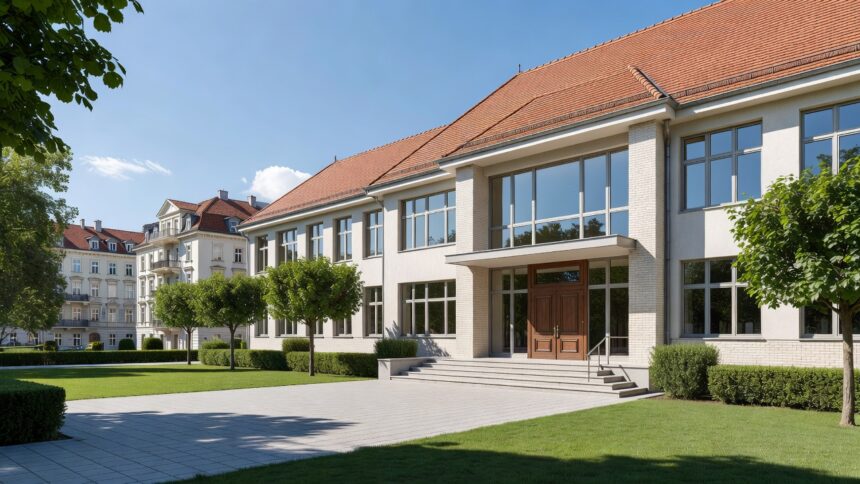
The education ministry reported that schools must first hold discussions with pupils and families before escalating non-compliant cases, with the 52 violations referred for further action that could ultimately result in fines for guardians. Many of the affected girls have chosen to wear the headscarf independently rather than under family pressure, officials told reporters covering the enforcement. Protests have drawn several hundred participants in repeated gatherings since the new school year began, according to accounts from multiple cities.
Austria’s conservative-led government introduced the legislation to advance gender equality and shield young Muslim girls from what it described as segregation and oppression, a position reiterated by integration officials. Critics countered that the measure disproportionately affects the Muslim community and restricts religious freedom, an argument advanced by Muslim rights organisations in public statements. The ban applies to traditional Islamic head coverings in both public and private schools for those under 14.
At a demonstration in Vienna earlier this month, Zehra, 37, who withheld her surname, told AFP her two daughters aged nine and 13 felt sad and angry about the restriction. We raise our children by telling them, you can decide who you want to be — and this law is the exact opposite, she said. Seham, 12, added that she felt afraid to remove her headscarf because I had worn it for two years and it felt like a part of me.
The Islamic Religious Community in Austria has documented around 70 complaints from families regarding the ban’s implementation and is supporting legal challenges before the constitutional court, the group stated in recent updates. A similar restriction on headscarves for younger primary school pupils was struck down by the court in 2020 for violating the principle of religious neutrality, according to a BBC assessment of the earlier ruling. Judges are scheduled to issue a decision on the current law in the first half of 2027.
Education Minister Christoph Wiederkehr noted that the relatively low number of formal meetings indicated broad cooperation from most families, as conveyed in a ministry statement. The measure forms part of updated school regulations passed with backing from centrist and far-right parties in parliament the previous December, Reuters reported at the time of its approval. Youth organisations affiliated with the Social Democrats organised some of the protests, which also called for increased education funding alongside opposition to the headscarf rule.
Enforcement data shows Vienna accounting for the majority of cases, with 210 parent meetings recorded at the local education directorate by early October, local media citing ministry figures indicated. Officials have emphasised that repeated breaches can lead to involvement of child services and potential penalties ranging from 150 to 800 euros. The developments reflect ongoing debates over integration policies in a country where the Muslim population has grown steadily over recent decades, according to demographic data from Statistics Austria.