
 ع
ع


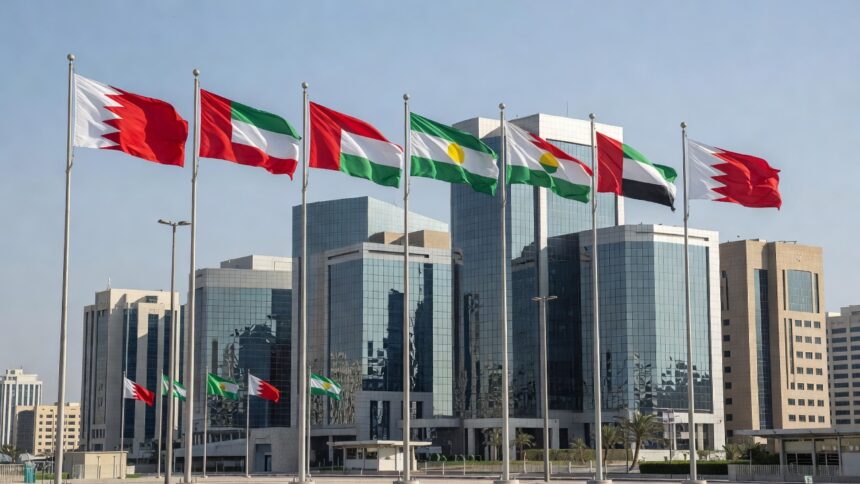
Bahrain has ratified Law No. 11/2026 approving changes to the Unified Law of Insurance Protection Extension for nationals of the GCC countries working outside their home states in any member state, a Lexis Middle East analysis reported. The legislation explicitly brings old-age, disability, sickness, death and unemployment insurance under the unified system that provides social protection to GCC citizens employed across the bloc. A BTI 2026 Bahrain Country Report noted that the kingdom’s public social insurance arrangements, which already extend to citizens working in any GCC state, originated in the 1970s and include pensions along with other benefits. The amendment updates contribution and enforcement rules as part of ongoing regional coordination.
The new law makes clear that end-of-service gratuity payments do not reduce or eliminate entitlements available through the unified system, according to the Lexis Middle East summary of the text. Occupational injury and occupational-disease insurance continue to be governed by the laws of the state where the individual is employed rather than the unified framework. An EY analysis published in February 2026 had already flagged the planned introduction of a mandatory 1 percent unemployment insurance deduction on the insured wage of Bahraini employees working elsewhere in the GCC. These adjustments aim to reduce administrative overlaps for workers who move between member states.
The unified GCC social insurance system has evolved through successive amendments designed to harmonise protections for a mobile Gulf workforce, the International Social Security Association stated in its review of Arab-country reforms. GCC nationals employed outside their home countries represent a relatively small but symbolically important segment of the labour market in a region where expatriates from outside the bloc form the majority of private-sector staff. Public Authority for Civil Information-type data across member states have historically placed intra-GCC employment in the tens of thousands, though precise current figures remain subject to annual updates by national statistical offices. The March 2026 Bahraini measure reflects a collective push toward modernising these portable benefits.
Bahrain’s Social Insurance Organization administers the domestic side of these arrangements and coordinates with counterpart bodies in other GCC capitals to process claims and contributions under the unified rules. The organisation’s records show that investment performance and demographic pressures have required periodic adjustments to contribution rates and benefit formulas in recent years, the BTI report added. Regional social-protection coverage stands at roughly 61 percent of the GCC population according to a 2024 International Labour Organization estimate, with citizens enjoying near-universal access while migrant workers from outside the bloc often face more limited entitlements. The latest amendment seeks to close residual gaps for cross-border GCC employees.
Law No. 11/2026 forms one element of wider legislative activity across the bloc to strengthen social safety nets amid economic diversification efforts that encourage greater labour mobility. Earlier GCC agreements established the original unified law to prevent loss of coverage when citizens accepted positions in neighbouring states, a framework that the Bahraini legislation now refines. The changes do not alter the underlying principle that workers remain tied to their home country’s insurance system for most long-term benefits. Officials expect the updated rules to simplify compliance for both employers and employees operating under the single market arrangements.