ع



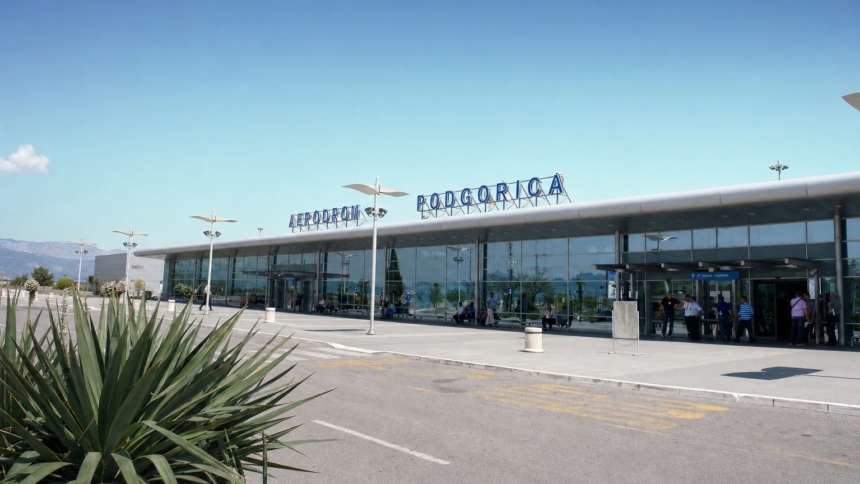
The Montenegrin government has terminated visa waiver agreements with Russia, Belarus, China, Turkey and Saudi Arabia, requiring nationals from those countries to secure visas for any entry, transit or stay beginning November 1, 2026. This policy adjustment, first signaled in official statements earlier in the year, affects previously visa-free short-term visits that typically lasted up to 30 days. The interior ministry has instructed border agencies to prepare for the change, which will apply uniformly to ordinary passport holders from the five listed states.
According to the Montenegrin government, the decision forms part of a gradual alignment of national visa rules with the European Union’s common list as the country pursues full membership in the bloc. A government release issued in February 2025 stressed that the step would safeguard economic interests while meeting accession benchmarks set by Brussels. Montenegro received candidate status in 2010 and has since advanced negotiations on multiple chapters, with visa harmonization cited as a priority area by EU officials.
Vijesti.me reported that the measure will end long-standing bilateral arrangements, including those with Russia and Turkey that dated back years and supported significant cross-border movement. The Statistical Office of Montenegro figures show that Russian and Turkish visitors have regularly accounted for substantial shares of annual tourist arrivals, often exceeding tens of thousands during peak summer months. Similar data from regional tourism boards indicate that the policy shift could redirect some travel flows toward neighboring countries that retain more lenient entry terms.
The government has confirmed plans to roll out an electronic visa application system ahead of the November deadline, allowing affected travelers to submit documents online and receive approvals more efficiently. Interior ministry directives specify that standard Schengen-style visas will be accepted in many cases, though applicants must still meet documentation and purpose-of-visit criteria. This digital platform is expected to reduce administrative burdens at entry points while upholding security protocols that match EU norms.
Bosnia and Herzegovina implemented comparable restrictions on some of the same nationalities last year, according to Balkan affairs monitors, setting a precedent that Montenegro is now following to maintain regional consistency. The European Commission has welcomed such moves by Western Balkan aspirants, noting in progress reports that full visa alignment strengthens the case for accelerated integration talks. Montenegro’s foreign ministry has coordinated the changes with EU partners to avoid disruptions in broader diplomatic and trade relations.
Regional analyses from EU accession trackers place the visa reform within a series of legislative tweaks Montenegro has enacted since 2024 to close gaps with union standards. The government has stated that the new requirements will not target specific economic sectors but will instead create a uniform framework applied across all external borders. Officials continue to monitor tourist arrivals and economic indicators as the implementation date approaches to assess any short-term effects on key markets.