

 ع
ع


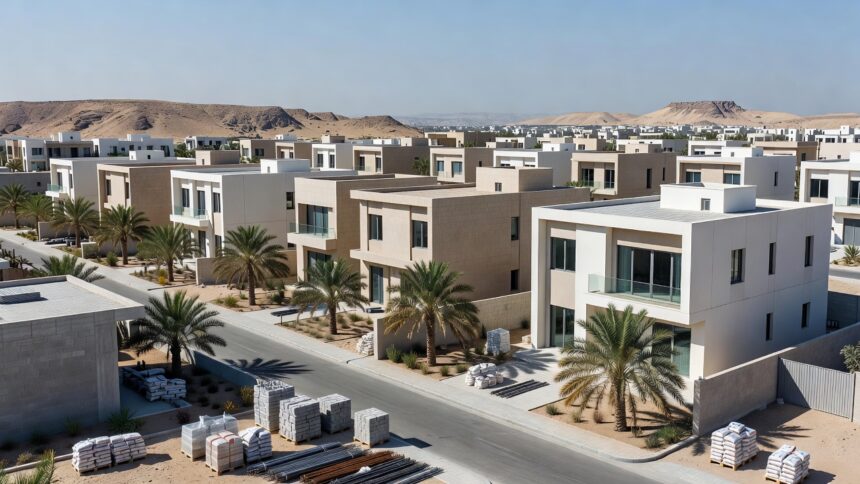
A Shoura Council session chaired by Sheikh Abdullah Al-Sheikh heard Raeda Abu Nayan call for the Ministry of Commerce to coordinate with other authorities on examining the abolition of expatriate fees in construction. The council member stated that the current fee structure has raised development and housing costs ultimately paid by Saudi citizens. Abu Nayan maintained that removing or reducing the levies could decrease house prices while encouraging private sector activity to address national housing demand. The Saudi Gazette reported the proposal on April 7, 2026, framing it within wider discussions on market balance.
The intervention arrives after Saudi authorities waived similar financial levies on expatriate workers in licensed industrial facilities for five years in December 2025 to bolster manufacturing, a cabinet decision covered by the Saudi Gazette at the time. Such measures form part of broader Saudization policies that adjust labor costs across key industries. Raeda Abu Nayan positioned the construction sector review as a targeted response to specific pressures affecting housing affordability for citizens.
Saudi Arabia’s residential construction market was valued at $51.46 billion in 2026 and is projected to grow at a 6 percent compound annual growth rate to reach $71.75 billion within several years, according to Mordor Intelligence. Rising material and labor expenses have compounded challenges in the sector, which relies heavily on foreign workers. A Fragomen assessment from May 2026 found residential rents increased more than 10 percent year on year, intensifying cost of living concerns across the kingdom.
The Housing Program under Saudi Vision 2030 has driven the national homeownership rate from 47 percent in 2016 to more than 65 percent, Vision 2030 reports show. Officials aim to achieve a 70 percent ownership target by 2030 through subsidized mortgages, expanded supply and regulatory changes that promote private investment. Abu Nayan argued her proposal would support these objectives by helping restore equilibrium in construction and real estate markets.
Earlier Oxford Business Group data placed average villa construction costs between 1,700 riyals and 6,500 riyals per square metre depending on quality, with labor forming a notable share of expenses. The 2017 white land tax has prompted development of idle urban plots, generating funds for housing initiatives and increasing land availability, according to government tallies. General Authority for Statistics figures have documented sustained demand linked to population growth, urbanization and Vision 2030 projects.
As an advisory body the Shoura Council routinely evaluates ministry reports and advances policy recommendations aligned with national economic priorities. Coverage of the April session did not indicate an immediate timeline for any study or response from the Ministry of Commerce. The proposal adds to ongoing reviews of labor and housing measures intended to enhance affordability while sustaining sector momentum.