ع



The US Department of State kept Bahrain in Tier 1 in its 2026 Trafficking in Persons Report, an evaluation covering 188 countries that confirms the government fully meets minimum standards for the elimination of human trafficking. The report highlighted continued serious and sustained anti-trafficking efforts throughout the period under review, according to the department’s findings. This achievement extends a record that began nine years ago, positioning Bahrain among a select group of nations recognised for comprehensive responses that include robust legislation and cross-agency coordination.
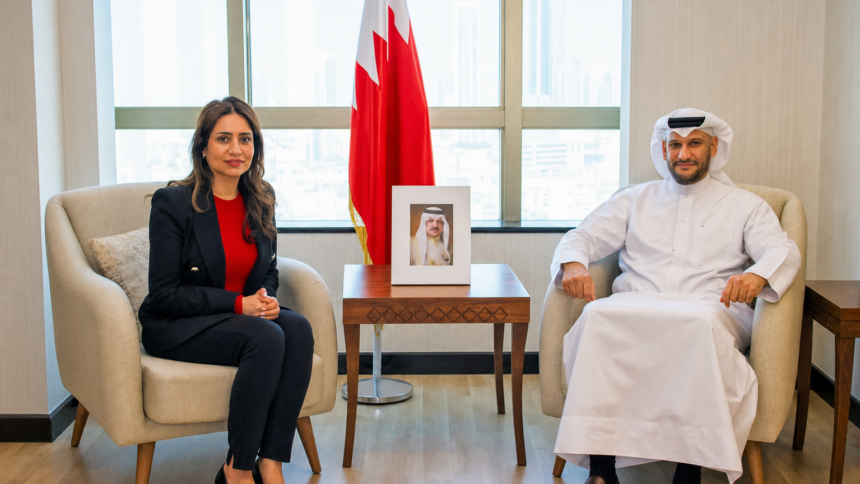
Nebras Mohammed Talab, chief executive of the Labour Market Regulatory Authority and chairman of the National Committee to Combat Trafficking in Persons, attributed the ranking to leadership directives from King Hamad bin Isa Al Khalifa and Crown Prince Salman bin Hamad Al Khalifa. Talab noted that these instructions have supported ongoing updates to laws, policies and initiatives that reinforce the kingdom’s standing. The authority’s assessment found that Bahrain operates an integrated national framework anchored in advanced legislative and regulatory structures, prevention mechanisms, victim protection, equitable remedies and active domestic and global partnerships.
Bahraini investigators opened 57 trafficking cases during the reporting cycle, an increase from 44 the year before, a US Department of State assessment found.[[1]](https://www.state.gov/reports/2026-trafficking-in-persons-report/bahrain) Authorities prosecuted 33 suspects and secured 37 convictions while referring 22 identified victims to support services that included 15 cases of sex trafficking and five of forced labour. The government maintained law enforcement momentum even as challenges persisted in certain labour segments, the report stated.
Bahrain’s 2008 anti-trafficking law sets penalties of three to 15 years imprisonment together with fines between 2,000 and 10,000 Bahraini dinars, levels the department described as adequately stringent and comparable to those for other serious offences such as rape. The assessment observed that domestic workers remain outside the wage protection system, a factor that can heighten exposure to exploitation. Officials have responded by expanding victim identification procedures and care services to address such gaps.
Gulf Daily News praised the Tier 1 retention as evidence of Bahrain’s consistent progress in aligning national practices with international benchmarks. The coverage underscored the role of inter-ministerial collaboration in delivering measurable improvements year after year. Local reporting further noted that sustained top-tier status strengthens the kingdom’s reputation as a regional leader in combating human trafficking.
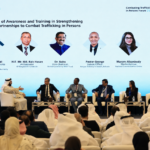
The National Committee to Combat Trafficking in Persons coordinates awareness programs, training for frontline officials and cooperation with diplomatic missions to resolve labour disputes before they escalate. Labour Market Regulatory Authority data shows these measures have contributed to higher rates of early detection and victim support over the past decade. Such initiatives complement legislative reforms that continue to evolve in line with global standards.