ع



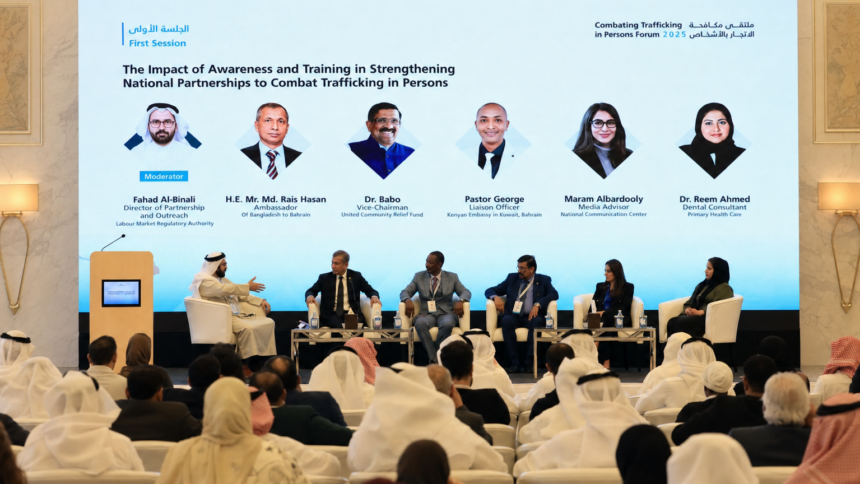
Bahrain has held its position in the highest Tier 1 category of the US State Department’s annual Trafficking in Persons Report, which evaluates anti-trafficking efforts across 188 countries, for the ninth successive year. Nibras Mohammed Talib, chief executive of the Labour Market Regulatory Authority and chairman of the National Committee to Combat Human Trafficking, said the achievement reflects the kingdom’s development of a comprehensive national framework grounded in advanced legislation, prevention measures, victim protection and international partnerships. Talib attributed the sustained ranking to directives from His Majesty King Hamad bin Isa Al Khalifa and follow-up guidance from Crown Prince Salman bin Hamad Al Khalifa, which have driven continuous updates to policies and initiatives.
The Tier 1 designation indicates full compliance with minimum standards for eliminating human trafficking, a status Bahrain first secured nearly a decade ago and has defended through consistent reforms. A Labour Market Regulatory Authority assessment found that the national system rests on four pillars that align with global best practices while addressing local conditions in a country where expatriates form a significant share of the workforce. Such efforts have included strengthened border controls, awareness campaigns and specialised shelters for victims, according to committee data.
Ali bin Saleh Al Saleh, president of the Shura Council, welcomed the report’s findings as validation of Bahrain’s commitment to human rights protections and evolving legislation in line with international norms. Al Saleh noted that the king’s vision has embedded respect for human dignity at the core of national policy, enabling the kingdom to serve as a regional model for combating exploitation. The council president’s remarks, carried by Gulf Daily News, emphasised cross-agency coordination that has enhanced enforcement and victim support services over the past year.
Ahmed bin Salman Al Muslim, speaker of the Council of Representatives, described the Tier 1 retention as a source of national pride that underscores Bahrain’s progress in building robust institutions. Al Muslim highlighted how parliamentary oversight has supported the enactment of updated laws that strengthen prosecution of traffickers while safeguarding victims’ rights. His comments aligned with those of Talib in stressing the role of high-level leadership in sustaining momentum across prevention, protection and partnership initiatives.
The US State Department report, released this week, continues to benchmark nations on their prosecution of trafficking cases, protection of victims and preventive education programs. Bahrain’s placement places it among a select group of countries meeting the full criteria without need for a watch list or downgrade, according to the document’s methodology. Officials indicated that ongoing training for law enforcement and judicial personnel has contributed to higher conviction rates and improved identification of at-risk groups in recent assessments.
Talib outlined future priorities that include deepening collaboration with regional and global partners to share intelligence and best practices. The National Committee’s latest figures show expanded victim rehabilitation programs that have assisted individuals from multiple nationalities over the past 12 months. Such measures reinforce the sustainability of Bahrain’s high ranking while adapting to emerging forms of exploitation in the labour market.