
 ع
ع

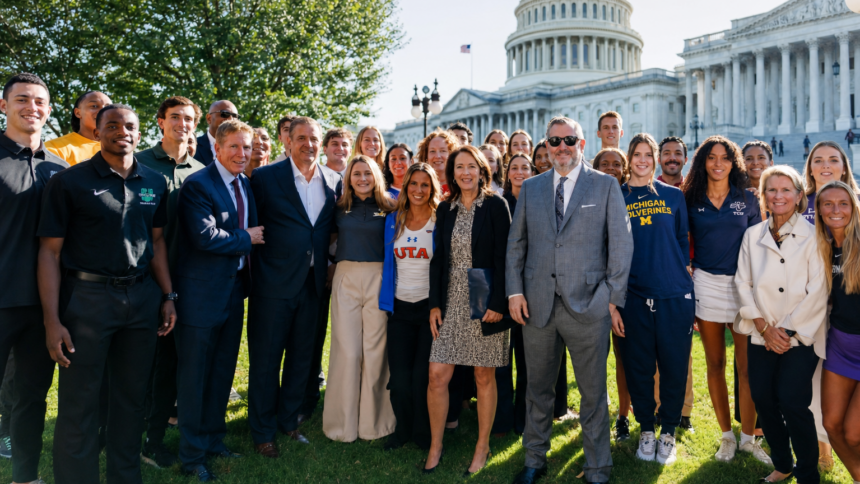
Sponsored by Republican Sen. Ted Cruz of Texas and Democrat Sen. Maria Cantwell of Washington, the measure grants the NCAA limited antitrust immunity to set and enforce uniform national standards. Cruz described the legislation as necessary to end the unregulated environment that has defined college sports in recent years. Cantwell noted that the act codifies enforceable rights for athletes while providing new health and safety protections.
According to the Senate Committee on Commerce, Science and Transportation, the bill establishes a federal right for student athletes to receive name, image and likeness compensation and replaces differing state regulations with one consistent standard. It limits fees charged by agents to 5 percent and ensures scholarships remain available for up to ten years so athletes can finish their degrees regardless of injury or playing time. The committee documents also require Division I institutions to pay out-of-pocket medical expenses related to athletics for five years beyond an athlete’s eligibility period.
The legislation restricts athletes to one transfer during a five-year eligibility window that begins at age 19 or high school graduation, with limited exceptions for additional moves. It imposes waiting periods on conference switches to slow realignment while eventually phasing out some restrictions after six years. Senate records indicate these provisions respond to the roster instability created by the transfer portal since its expansion.
Schools may share revenue with athletes up to approximately 45 million dollars annually under the framework, including dedicated allocations to support women’s and Olympic sports programs. The bill builds directly on the 2025 House v. NCAA antitrust settlement that first opened the door to direct institutional payments to players. A Senate committee assessment found the updated caps and enforcement mechanisms will help control costs that have seen some football program payrolls exceed 40 million dollars.
The act prohibits private equity-backed super leagues and includes certification requirements for NIL deals to prevent improper recruiting payments to high school athletes. Revisions incorporated input from the Big Ten and Southeastern conferences, which shifted from opposition to endorsement after changes to the retention fund structure. Committee releases highlighted the legislation’s aim to preserve opportunities for student athletes across all conference levels.
With Senate passage complete, the Protect College Sports Act advances to the House of Representatives for consideration after lawmakers return from midterm elections in November. If enacted, the statute would mark the first comprehensive federal oversight of college athletics, addressing issues that have persisted since name, image and likeness rights were introduced in 2021. Sponsors have expressed confidence that the bipartisan foundation will facilitate final approval.