 ع
ع

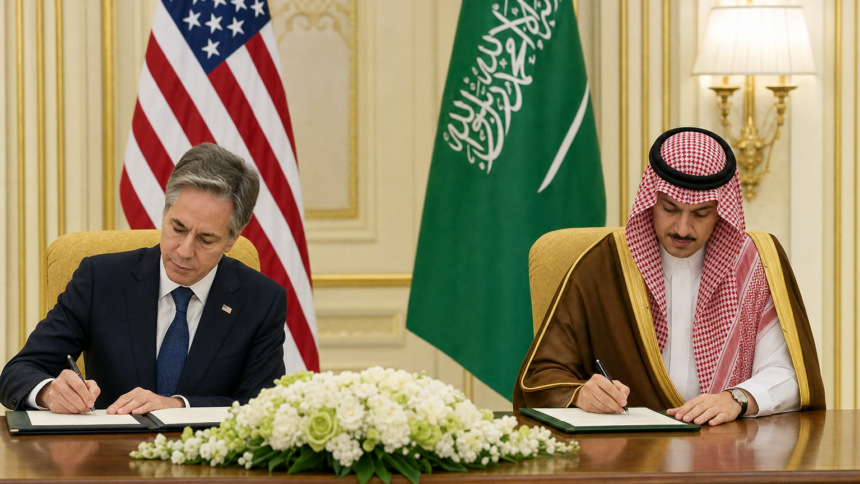
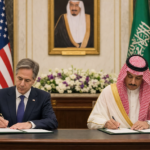
The multi-billion-dollar agreement, which aims to counter Chinese and Russian influence in the region, initially restricts enrichment to below 5 percent for civilian nuclear energy purposes. However, it leaves the door open for higher levels in subsequent phases while bypassing the most stringent international oversight measures. According to the Asia Times report, this framework effectively grants Saudi Arabia technical means to pursue nuclear latency under the guise of a commercial energy program.
A classified US intelligence assessment shared with Congress and cited by The Washington Post determined that Saudi Arabia has not ruled out developing nuclear weapons, raising alarms among American lawmakers. The assessment comes amid President Donald Trump’s push for the civilian nuclear assistance deal. Lawmakers expressed particular concern over how the pact might accelerate any potential weapons program in the kingdom.
Experts David Albright and Sarah Burkhard of the Institute of Science and International Security noted in an April 2026 paper that reaching 20 percent enrichment accomplishes roughly 90 percent of the work needed for weapons-grade material. They explained that 200 kilograms of such material could be rapidly processed into the 25 kilograms required for one nuclear bomb. The Asia Times analysis found that by conceding this pathway without full IAEA inspections, the July pact shortens Saudi Arabia’s hypothetical breakout timeline.
The arrangement marks a departure from the 2009 civil nuclear deal with the United Arab Emirates, under which Abu Dhabi forwent enrichment and reprocessing rights in line with the so-called gold standard. Saudi leadership has consistently refused similar limitations and instead sought domestic enrichment capabilities at levels around 6 percent for civilian use. A New York Times report on the July signing detailed how US negotiators accommodated these positions to secure the agreement.
Saudi Crown Prince Mohammed bin Salman said in remarks carried by multiple outlets, “Saudi Arabia does not want to acquire any nuclear bomb, but without a doubt, if Iran developed a nuclear bomb, we will follow suit as soon as possible.” That position reflects longstanding regional security dynamics, particularly following Iran’s nuclear advances and recent conflicts. The pact was transmitted to Congress in August 2026, per a US government communication, where it faces a 90-day review period before potential automatic implementation.
The agreement is projected to deliver billions of dollars in contracts to US nuclear firms, including Westinghouse, which would supply reactors and related technology. It includes a joint US-Saudi study on the feasibility of enrichment to be completed within two years, with any actual facilities potentially operated under American company oversight. CNN reporting from July indicated that the deal bars Saudi Arabia from developing its own enrichment technology or sourcing it elsewhere for at least a decade.
Nonproliferation specialists have voiced strong reservations about the terms. James Acton of the Carnegie Endowment for International Peace told Reuters the reported deal was tantamount to the United States giving up on nonproliferation. An Atlantic Council assessment highlighted that while the pact advances US industry interests, it breaks from previous policy by not mandating the Additional Protocol as a condition for cooperation.