

 ع
ع


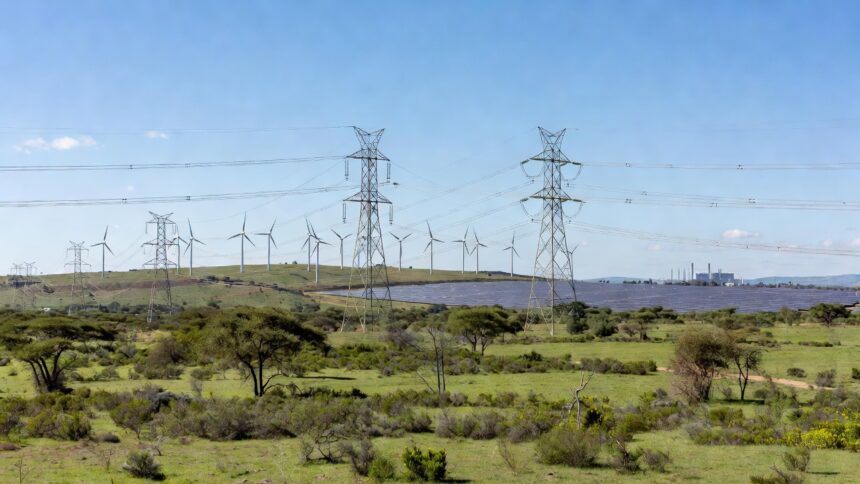
The Cabinet approved publication of the Revised Electricity Pricing Policy for public comments, updating the 2008 Electricity Pricing Policy to reflect developments in the electricity supply industry including ongoing market reforms from the unbundling of Eskom and the implementation of the Electricity Regulation Amendment Act, 2024, according to the full statement on the Cabinet meeting of 29 July 2026. The policy strengthens the regulatory framework governing electricity prices, tariffs and charges while addressing affordability concerns that have grown as household electricity prices doubled over the past five years. BusinessTech reporting on the announcement noted that recent Eskom tariff hikes, including an 8.8 percent increase that took effect in April 2026 with another scheduled for 2027, have intensified pressure on consumers and the broader economy.
According to the Cabinet statement the policy provides tariff transparency through the unbundling of tariffs across generation, transmission, distribution and retail activities thus consolidating regulatory arrangements for electricity pricing across the various pricing interfaces between generators, traders, the National Transmission Company South Africa and distributors. It also establishes the framework through which these interfaces will be enabled and regulated by the National Energy Regulator of South Africa. The approach moves away from the vertically integrated Eskom-dominated market that shaped the original 2008 policy toward a liberalising sector featuring independent power producers and a diversified energy mix.
The policy supports the introduction of cost-reflective tariffs while protecting vulnerable users and strategic economic sectors, the Cabinet statement continued. Such tariffs more accurately signal the true cost of supply, an essential prerequisite for a functioning competitive market and for attracting investment into new generation and infrastructure. A parallel draft Electricity Sector Market Transformation Position Paper approved for public comment on the same date outlines how these pricing changes fit into the transition from a predominantly state-controlled system.
The position paper provides a framework to guide South Africa’s shift to a more competitive electricity market in line with the Electricity Regulation Amendment Act, 2024 and the Energy Action Plan, according to the Cabinet statement. Proposed reforms seek to improve energy security and reliability by reducing reliance on a single electricity supplier and enabling greater participation in electricity generation and trading. They are also aimed at attracting investment in electricity generation, transmission and distribution infrastructure while supporting job creation, economic growth and reduced electricity costs over the long term.
Public comments on both the Revised Electricity Pricing Policy and the market transformation paper will inform further refinements to tariff structures and regulatory arrangements with stakeholder consultations already under way through the National Energy Regulator of South Africa. Earlier in 2026 the regulator published a wholesale electricity pricing methodology consultation paper that aligns with the new policy direction by establishing transparent charges for the wholesale cost of supply. The combined process reflects a coordinated effort to modernise pricing mechanisms that have struggled to keep pace with sector transformation since the original policy was introduced nearly two decades ago.