
 ع
ع


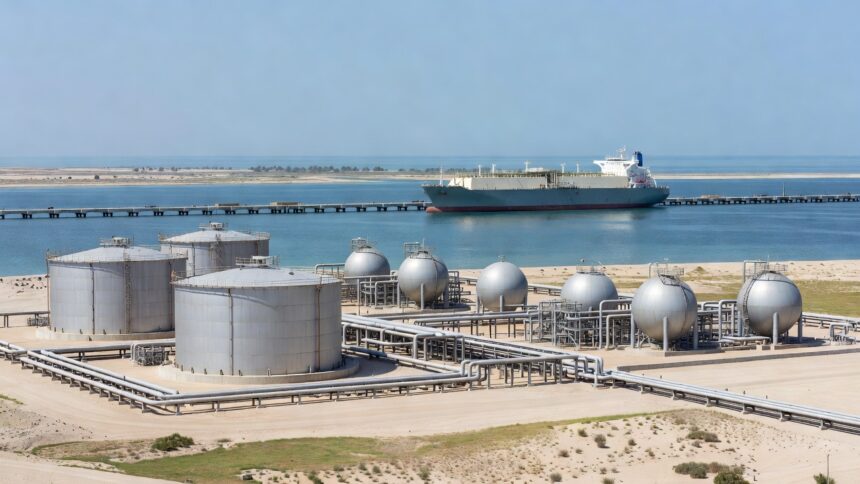
Reuters reported on August 26 that Qatar has emerged as one of the biggest economic casualties of the U.S.-Iran war with its liquefied natural gas exports slashed by 96 percent over the past six months. Data intelligence firm ICIS placed the number of cargoes shipped at just 18 compared with 509 in the same period a year earlier. Reuters calculations based on 2025 data showed the lost revenue reaching $24 billion or roughly five months of state income for the Gulf nation.
Saudi Arabia the United Arab Emirates Iraq and Kuwait have also seen oil exports disrupted by the conflict but to a far lesser extent than Qatar’s LNG trade according to the same Reuters dispatch. Neighbouring Gulf producers have continued limited oil shipments by navigating around the blocked Strait of Hormuz while Qatari LNG carriers have faced severe restrictions. Two Qatari tankers have come under attack during the six-month period the news agency added.
State-owned producer QatarEnergy declined to comment immediately when contacted by Reuters. The country supplied about one-fifth of the world’s daily LNG before the war began in February according to industry assessments cited in the report. That dominant position has evaporated as shipping routes remain unsafe and facilities have been impacted.
Exports from the United States have increased to help fill the gap left by curtailed Qatari volumes a Reuters assessment found. Separate data reviewed by the news service indicated U.S. LNG shipments rose approximately 25 percent in the first half of 2026 as buyers in Europe and Asia turned to alternative supplies. Producers including Cheniere Energy and Venture Global saw their shares surge earlier in the conflict as investors anticipated sustained demand for non-Middle East cargoes according to additional Reuters coverage from March.
European gas storage has nevertheless fallen to a historic low for the time of year despite the additional American LNG according to the August 26 report. One market analysis placed inventories at 55 to 57 percent full in early August marking the second-lowest level since 2016. The shortfall leaves the continent exposed to potential price spikes if winter weather turns severe Reuters noted in its coverage.
QatarEnergy moved to mitigate customer shortfalls by purchasing 33 spot LNG cargoes from the United States this year for delivery to South Korea Taiwan Bangladesh India and Japan sources told Reuters in July. Those purchases which were worth around $1 billion represented a sharp increase from the four U.S. cargoes acquired the previous year. The transactions underscored the shift toward American suppliers as Qatar declared force majeure on many of its original contracts following the disruption of its own production.