
 ع
ع


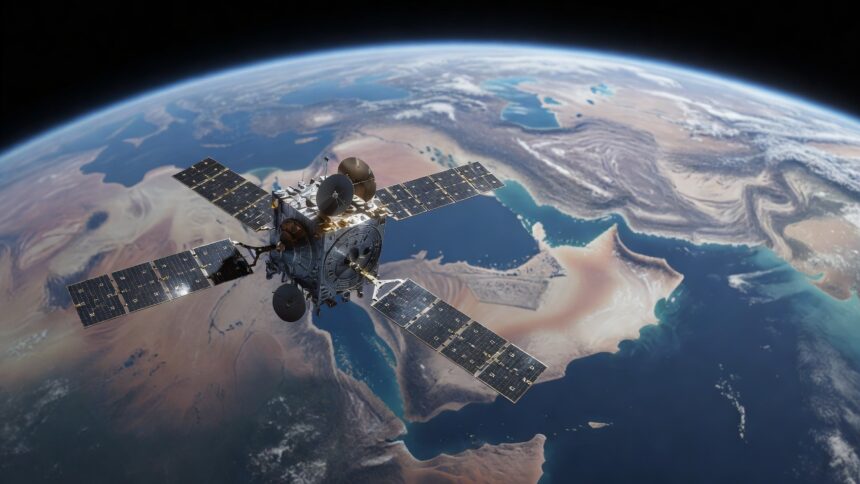
The UAE Space Agency has granted entities operating in or planning space-related activities a 90-day grace period that began on 27 July 2026 to secure the necessary licences and permits under Federal Decree-Law No. 46/2023. Osama Al Shehhi who leads the Space Licensing and Permits Office urged all stakeholders to register without delay during this window so they can continue operations lawfully. The agency stated that no space activities of any kind may take place without prior official approval and that supervisory and legal measures will follow the deadline for those found non-compliant. This step forms part of a structured effort to bring the entire sector under a clear regulatory umbrella.
According to the UAE Space Agency the regulation seeks to ensure safe sustainable and transparent practices as the sector expands. The decree-law establishes the licensing framework that governs all aspects of space operations within the country. Al Shehhi emphasised the importance of immediate engagement with the permitting office to avoid future enforcement actions once the grace period ends.
UAE Space Agency figures show the national space sector now comprises 57 entities that together provide 3,100 jobs along with five dedicated research centres and three universities offering specialised degrees. The country has already launched 30 satellites and seen total investments in the sector exceed AED 22 billion as it builds capabilities in Earth observation and satellite communications. Yahsat and Thuraya rank among the prominent commercial operators contributing to this infrastructure according to the same agency data.
A Space Foundation assessment found the global space economy continues to expand at roughly 9 percent annually outpacing general GDP growth with commercial activities making up an increasing share of the total. Projections from multiple analysts place the sector above the $1 trillion mark by the early 2030s driven by satellite broadband and related services. The UAE has doubled its own space investments to more than Dh40 billion over the past nine years in line with ambitions to rank among the world’s top 10 space nations under the National Space Strategy 2031 the UAE Space Agency reported.
The regulatory push coincides with ongoing projects that include a second Rashid rover launch targeted for early 2026 and preparatory work toward the Mars 2117 settlement vision. Local companies are positioning themselves to capture demand for hundreds of thousands of new satellites expected in orbit over the coming decade according to industry forecasts cited by the UAE Space Agency. Such developments underscore the need for robust licensing that balances innovation with oversight in a sector that has grown from government-led missions to broader commercial participation.