 ع
ع

The Shura Council’s Foreign Affairs, Defence and National Security Committee completed 24 reports in the fourth session of the sixth legislative term, according to the Daily Tribune. Chaired by Dr Ali Al Rumaihi, the panel held 16 meetings while scrutinising five decree-laws, 18 draft laws and one proposed amendment to cybercrime legislation. Its examinations addressed traffic regulations, penal code changes, criminal procedures, public security, identity documents, rehabilitation facilities, anti-money laundering rules, terrorism financing controls, tax treaties, air service pacts and international legal cooperation.
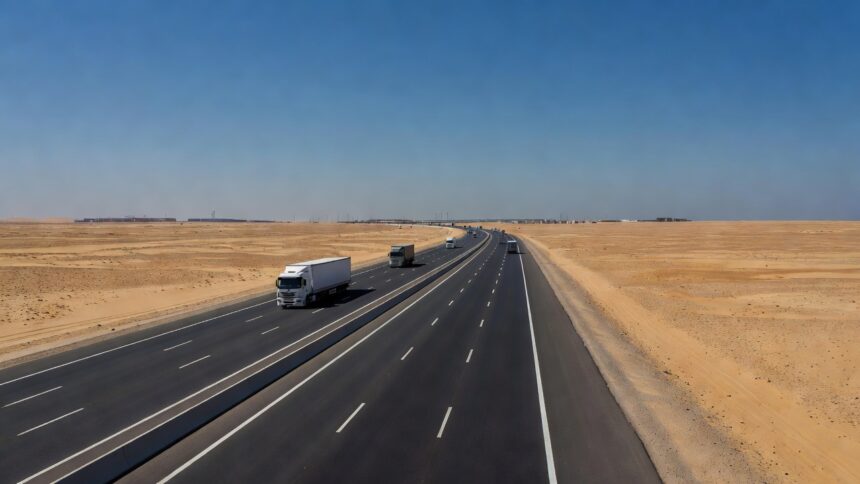
Decree-Law No 35 of 2025, which concerns Bahrain’s approval of the Unified GCC Law on International Road Transport, featured among the items the committee assessed, the newspaper reported. The panel also produced reports on amendments to the Traffic Law issued in 2014, updates to the Penal Code and Criminal Procedure Law, and revisions to legislation banning money laundering and terrorism financing. The committee kept its focus on measures connected to the kingdom’s foreign affairs, defence, national security and international relationships.
The unified law aims to harmonise transport regulations across GCC member states while facilitating smoother cross-border road operations, according to the committee’s findings. Bahrain’s move supports broader alignment of domestic legislation with GCC frameworks adopted by the Supreme Council. The decree-law received royal assent in August 2025 following parliamentary deliberations earlier that year.
A 2025 study by MH Rahman published in Springer’s journal on sustainability projected that improved land transport corridors could increase trade volumes between the Gulf and Europe by 20 to 30 percent in the first five years. The International Road Transport Union has stated that unified regulations could accelerate cross-border trade by more than 90 percent. Regional logistics assessments indicate such changes would cut costs, shorten delivery times and strengthen supply chain reliability for goods moving across the bloc.
GCC documents show the organisation launched its common market in 2008 after progressing from a free trade area and customs union, with a common traffic law forming an early element of transport cooperation. The new international road transport framework extends those efforts by targeting seamless movement of commercial vehicles and freight among the six member states. Bahrain’s participation contributes to the elimination of barriers that have historically slowed intra-GCC commerce.
The committee indicated it would sustain engagement with government bodies and stakeholders on legislation tied to national security, economic interests and development priorities under the leadership of King Hamad bin Isa Al Khalifa and Crown Prince Salman bin Hamad Al Khalifa. Additional reports covered double taxation agreements with Saudi Arabia and Jersey, air services deals with Kyrgyzstan, and treaties establishing the International Dates Observatory in Bahrain. The panel also examined accession to anti-corruption conventions, amendments to Arab petroleum exporting countries’ organisation statutes and alignment with international industrial design classification rules.