
 ع
ع


The Ministry of Hajj and Umrah has scheduled the start of Hajj visa issuance for the 2026 season on February 8, which aligns with 20 Sha’ban 1447 AH and comes roughly four months ahead of the core rituals, Gulf Business reported on February 6. Officials described the accelerated timeline as a means to secure logistics and services at an earlier stage than in prior years. This adjustment sits within the Kingdom’s ongoing efforts to refine management of the annual event that draws participants from more than 180 countries.
According to the ministry, service contracts for international pilgrims at the holy sites have been finalised while accommodation contracts in Makkah were completed through the Nusuk platform. The update indicated that registrations had reached approximately 750,000 with packages already booked for 30,000 pilgrims directly from their countries of origin. These early figures point to robust demand well before the peak travel period.
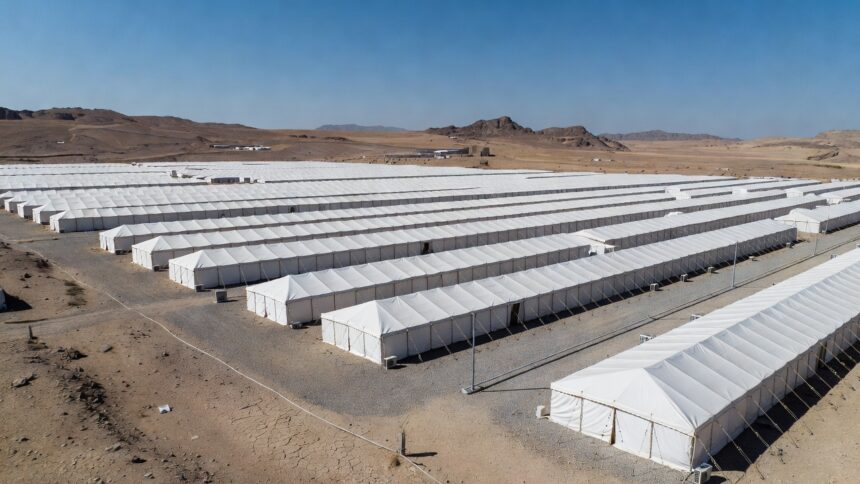
The ministry’s announcement noted that around 485 camps had been allocated for international pilgrims and that 73 Hajj affairs offices had completed basic contractual steps. Coordination with service providers inside and outside the Kingdom remains active to align all operational elements. Such groundwork is intended to support a smoother experience once pilgrims begin arriving in larger numbers.
Saudipedia records show that 1,845,045 pilgrims performed Hajj in 2023 while General Authority for Statistics data placed the 2024 total at 1,833,164. The 2025 season recorded 1,673,230 participants according to the same statistical authority, illustrating the consistent scale that demands precise advance planning. Early visa processing allows authorities to distribute capacity more evenly across available infrastructure.
The Nusuk Hajj platform, overseen by the Ministry of Hajj and Umrah, functions as a central digital hub where pilgrims can review and reserve packages that incorporate housing, transportation, catering and guide services. Package categories range from luxury options featuring five-star hotels to more standard tiers designed for different budgets and preferences. Integration of visa issuance with these bookings has streamlined procedures that once required separate steps at multiple offices.
Ministry figures from previous seasons indicate that digital tools like Nusuk have contributed to faster processing times and higher satisfaction rates among pilgrims. The current early visa window builds on that foundation by front-loading contractual and registration work. Ongoing coordination with global partners ensures that transportation and support networks can accommodate the projected volume without last-minute bottlenecks.