
 ع
ع

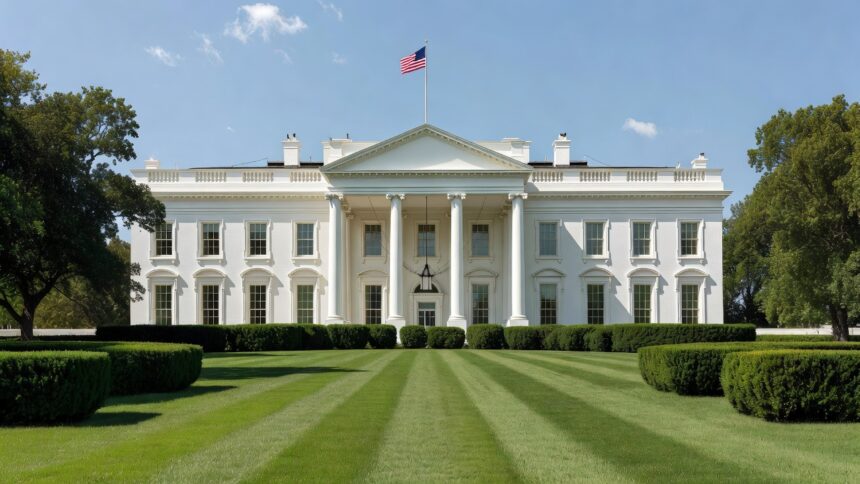
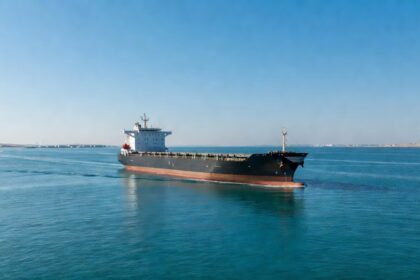
The White House announced that President Donald Trump signed the Lindsey O. Graham Sanctioning Russia and Iran Act of 2026 on September 18, authorizing expanded sanctions on Russia’s energy and defense sectors as well as its shadow fleet of tankers used to evade existing restrictions. Named after the late Senator Lindsey Graham of South Carolina, who built support for the measure before his death in July, the legislation cleared the House of Representatives by a 262-159 vote on September 16 after Senate passage last month. It imposes direct penalties on Russian President Vladimir Putin, senior officials, oligarchs, financial institutions and foreign entities aiding Moscow’s military efforts.
A central element of the law grants the president authority to impose tariffs of up to 100 percent on the top five purchasers of Russian petroleum products, which data from the Centre for Research on Energy and Clean Air show include China accounting for 50 percent of Russian crude exports and India at 37 percent from December 2022 to August 2026. The measure further allows tariffs of up to 500 percent on Russian-origin goods imported to the United States, subject to limited exemptions such as uranium for nuclear reactors and certain medical isotopes. Bloomberg News reported that the new authorities have been sought by Ukrainian officials seeking stronger U.S. support amid the conflict now in its fifth year.
The legislation extends the Iran Sanctions Act through 2031, reflecting congressional concerns over military cooperation between Moscow and Tehran. It targets networks helping supply Russia’s war machine and vessels in the shadow fleet that have sustained oil exports despite prior measures. Reuters stated that the bill paves the way for increased economic pressure on Russia over its invasion of Ukraine.
Democrats largely opposed the final package despite broad support for confronting Moscow, citing the broad new tariff powers it confers on the executive branch. The Guardian reported that many in the party worried the discretion over implementation, including waiver authority and tariff rates, could be applied beyond Russia in ways that circumvent congressional oversight. The law includes provisions for the president to exempt countries importing less than 15 percent of their natural gas from Russia if they are reducing dependence.
Supporters viewed the act as a tool to disrupt financing for the war and encourage negotiations to end the conflict. Senator Richard Blumenthal, a Democrat from New York who co-authored the bill with Graham, had previously described it as scorching sanctions that would throttle Putin’s war machine, according to Al Jazeera. The New York Times noted that the measure overcame more than a year of legislative resistance before reaching the president’s desk.
The sanctions framework requires implementation steps within 30 days of signing and focuses on reducing revenue streams that have enabled Russia to sustain its military operations. It builds on earlier bipartisan efforts to address both Russian aggression and Iranian activities through coordinated economic tools. The Straits Times reported that the signing comes as Washington seeks to revive mediated paths toward ending the four-and-a-half-year war even as Moscow intensifies attacks.