 ع
ع


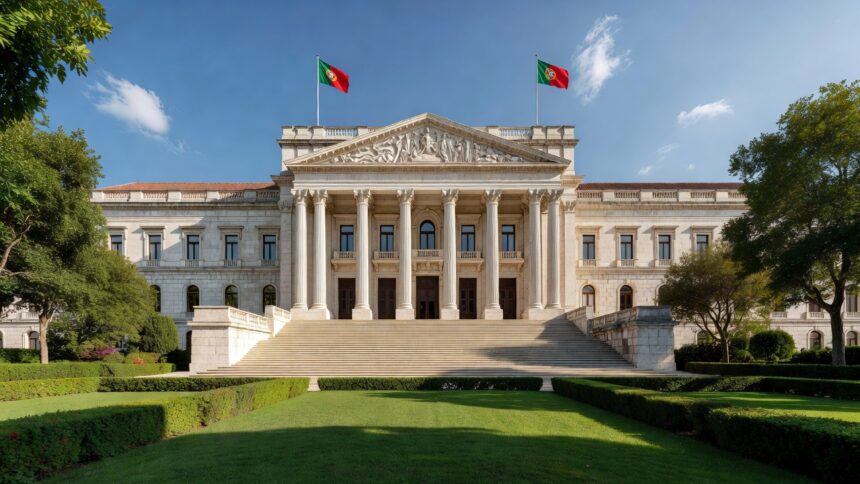
Portugal’s parliament approved Law 58/2026 on July 17 with a two-thirds majority from center-right parties and the far-right Chega group while left-wing factions voted against the measure that prohibits clothing or accessories designed to conceal the face. The legislation published in the official gazette on August 24 enters into force exactly 30 days later on September 23 covering public roads places open to the public government service venues sports events and demonstrations according to details outlined in embassy statements. The Kuwaiti embassy in Lisbon issued a notice on September 19 specifying that deliberate breaches carry fines between 400 and 3,000 euros while cases of negligence incur lower penalties starting at 150 euros.[[1]](https://www.alraimedia.com/article/1779825/%D9%85%D8%AD%D9%84%D9%8A%D8%A7%D8%AA/%D8%A3%D8%AE%D8%A8%D8%A7%D8%B1-%D9%85%D8%AD%D9%84%D9%8A%D8%A9/%D8%B3%D9%81%D8%A7%D8%B1%D8%A9-%D8%A7%D9%84%D9%83%D9%88%D9%8A%D8%AA-%D9%81%D9%8A-%D9%84%D8%B4%D8%A8%D9%88%D9%86%D8%A9-%D8%A7%D9%86%D8%AA%D8%A8%D9%87%D9%88%D8%A7-%D9%84%D9%82%D8%A7%D9%86%D9%88%D9%86-%D8%AD%D8%B8%D8%B1-%D8%AA%D8%BA%D8%B7%D9%8A%D8%A9-%D8%A7%D9%84%D9%88%D8%AC%D9%87-%D9%81%D9%8A-%D8%A7%D9%84%D8%A8%D8%B1%D8%AA%D8%BA%D8%A7%D9%84-%D9%8A%D8%B7%D8%A8%D9%82-23-%D8%B3%D8%A8%D8%AA%D9%85%D8%A8%D8%B1)
The law additionally criminalizes coercing any individual to hide their face through threats violence or abuse of power with punishments of up to two years imprisonment or equivalent fines that rise by one-third when the victim is a minor. Exemptions apply for medical reasons professional needs artistic or promotional activities adverse weather and inside locations such as places of worship or diplomatic premises. The Portugal News reported that municipal authorities will primarily handle enforcement of the prohibitions while security forces conduct compliance checks in public areas.[[2]](https://www.theportugalnews.com/news/2026-08-24/burqa-law-in-portugal-to-come-into-effect-in-september/1074966)
President António José Seguro signed the bill into law on August 19 after describing the face as a central element of human identity and communication in his promulgation statement that highlighted goals of social integration gender equality and public safety. The measure had advanced through parliament earlier in July amid arguments that visible faces support mutual recognition and trust in society. Euractiv noted that rights campaigners countered the legislation by warning it risks limiting women’s choices under the guise of protection.[[3]](https://www.euractiv.com/news/portugal-bans-full-face-veils/)
Portugal thereby joins more than a half-dozen European nations that have restricted full-face veils with France having introduced the first nationwide prohibition in 2011 followed by Belgium Austria Denmark and others on grounds of security and social cohesion. Euronews data on continental regulations shows approaches vary from comprehensive public-space bans to targeted restrictions in schools or government buildings yet Portugal’s version emphasizes uniform application without explicit religious references. A review by the Strasbourg Centre indicated the Portuguese law echoes justifications used elsewhere that an uncovered face underpins communication and counters potential gender asymmetries.[[4]](https://www.euronews.com/my-europe/2026/08/20/full-face-veil-bans-how-do-rules-compare-across-europe)
Embassies from Kuwait and Saudi Arabia have urged their nationals visiting or residing in Portugal to comply with the rules once they activate later this week to avoid penalties or legal complications during routine activities. The Saudi embassy in Lisbon issued a similar alert on September 18 reminding citizens of both the fine structure and the separate offense of compelling face concealment. Such diplomatic notices reflect the law’s imminent impact on expatriate communities from countries where certain face-covering garments remain culturally significant.
Passage of the legislation followed years of debate in Portugal which until now had maintained comparatively permissive policies on religious attire compared with several European peers. The president acknowledged the topic’s cultural sensitivity in his statement while aligning with a European Court of Human Rights perspective that prioritizes open facial visibility for societal interaction. Enforcement begins as municipal councils prepare procedures for processing infractions reported in streets shops and transport hubs across the country.