
 ع
ع


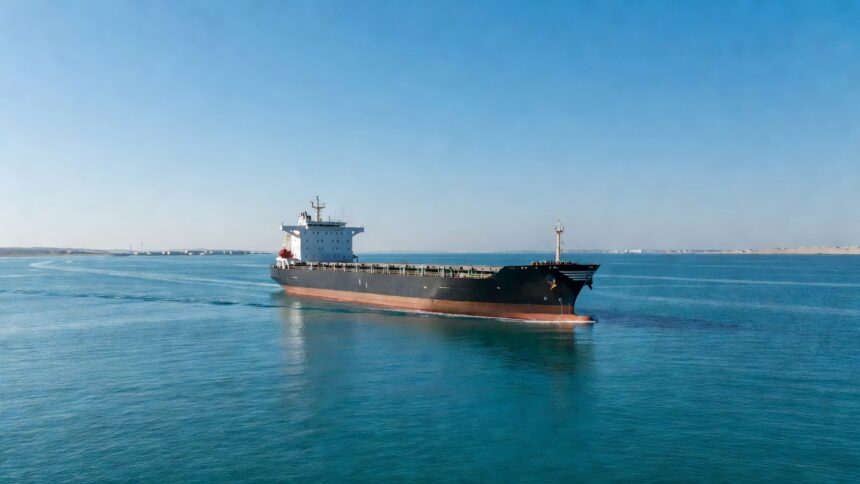
The Saudi Transport General Authority suspended the documentation and certificate requirements needed to issue or renew navigation licences and work permits for maritime units operating in the kingdom’s Arabian Gulf territorial waters, Gulf News reported on March 23, 2026. The one-month suspension covers both Saudi and foreign vessels and forms part of emergency regulatory measures introduced amid heightened regional tensions. The authority stated that the waiver aims to support continued shipping operations in Gulf waters during the period, which may be extended if required. Saudi Press Agency releases confirmed the measure applies uniformly to all relevant applications processed in the timeframe.
The decision arrives as disruptions in the Strait of Hormuz have curtailed shipping flows through one of the world’s most critical chokepoints. UNCTAD data places the waterway as carrying around a quarter of global seaborne oil trade along with significant volumes of liquefied natural gas. Reuters reported that tanker traffic declined sharply after military escalations involving Iran began in late February 2026, with at least 150 vessels stranded or anchored in the immediate aftermath. A Council on Foreign Relations assessment indicated the crisis produced wide-ranging effects on energy markets and supply chains.
Under ordinary rules the Transport General Authority requires valid certificates demonstrating vessel and crew compliance before issuing navigation licences or work permits. The temporary suspension removes those validity checks for the 30-day window while core safety obligations remain in force, according to the authority’s published guidelines. This adjustment follows the standard application procedure that normally channels requests through approved digital and administrative channels maintained by the maritime regulator.
The broader Hormuz crisis has drawn international attention to the exposure of commercial shipping in conflict zones. UN News reported that up to 20,000 seafarers were stranded on some 2,000 vessels in the Persian Gulf at the height of restrictions. The International Maritime Organization has noted that ships and crews have been targeted or detained, highlighting threats to freedom of navigation. Such conditions prompted several Gulf states to review administrative requirements for vessels under their jurisdiction.
Regional supply chain pressures intensified as oil prices rose above $130 per barrel during peak disruption periods, according to market observations compiled by Reuters. The Saudi measure contributes to efforts maintaining operational continuity for vessels in territorial waters even as external chokepoint issues persist. Additional data from shipping monitors showed rerouting and congestion that affected both energy exports and general cargo movements through the Arabian Gulf.
The Transport General Authority indicated the suspension would be implemented across all relevant departments to avoid unnecessary delays in licensing processes. Similar temporary facilitations have appeared in past periods of logistical strain, although the current step is explicitly tied to the ongoing regional situation. The authority continues to oversee maritime activities with an emphasis on documented compliance once the waiver period concludes.