
 ع
ع


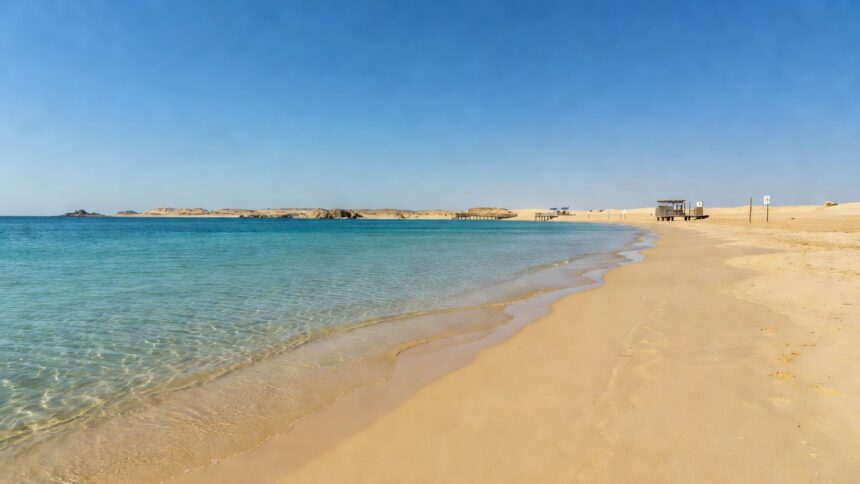
The Saudi Red Sea Authority announced a comprehensive regulatory overhaul that redefines beaches as formally managed operating sites instead of informal public recreation areas, Arab News reported on Jan. 19, 2026. The framework introduces mandatory licensing requirements for all beach operators, with licenses issued for two-year terms and renewal applications due at least 30 days before expiry. No beach operation will be permitted without an official license under the new rules. The authority explained that the unified national regime would apply across more than 1,800 km of Red Sea coastline.
Arab News reported that the Saudi Red Sea Authority described the changes as a means to improve safety, service quality and regulatory consistency along the entire coastline. The authority stated in a release that these requirements serve as a comprehensive operational and regulatory framework for issuing beach operation licenses. The regulations also outline standards for security, public health, environmental protection and infrastructure at beach sites.
The initiative aligns with Saudi Vision 2030 efforts to develop the coastal tourism sector, according to the Vision 2030 platform. The associated Red Sea Project aims to deliver 50 hotels with 8,000 rooms and roughly 1,000 residential properties upon completion in 2030. That development is expected to create about 70,000 direct, indirect and induced jobs while attracting around 1 million visitors per year to the destination.
PwC Middle East projected that Red Sea tourism would add 85 billion Saudi riyals to gross domestic product and support 210,000 jobs by 2030. The Ministry of Tourism reported that the kingdom recorded 30 million inbound tourists in 2024, marking an 8 percent increase from 2023 and generating 168.5 billion riyals in spending. These figures reflect the sector’s expanding role in economic diversification.
The Saudi Red Sea Authority began building and regulating the coastal tourism sector in 2021, the authority’s website shows. The new beach rules will take effect one month after announcement, although existing operators receive a one-year transition period to achieve full compliance with technical and environmental standards, according to Arab News. Requirements include qualified lifeguards, rescue and first-aid equipment, separate swimming zones from marine activities and an incident reporting system.
The Saudi Red Sea Authority has continued to refine the framework throughout 2026, with a later update in July emphasizing additional safety measures for operators. The authority’s regulatory push forms part of a wider strategy to position the Red Sea as a sustainable luxury tourism destination while safeguarding its marine ecosystem. Data from the Saudi Press Agency indicate that related coastal seasons have already drawn millions of visitors in recent years.