
 ع
ع


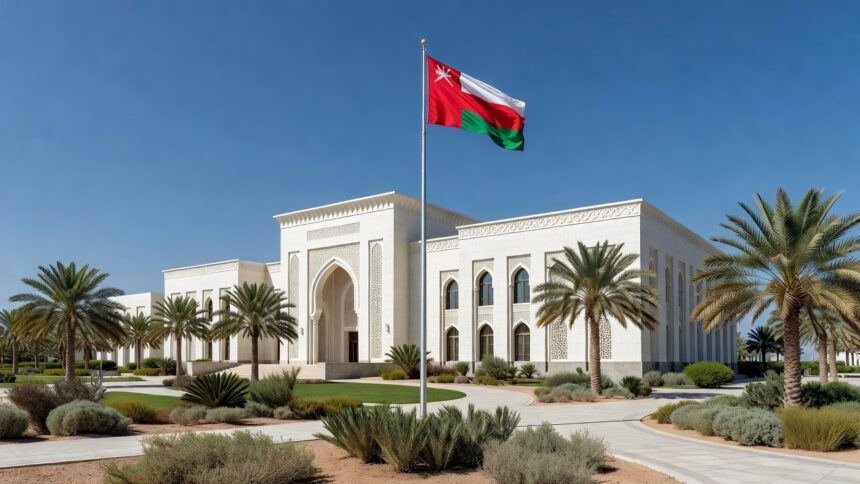
The Omani Foreign Ministry announced that Sultan Haitham bin Tariq promulgated 10 royal decrees on September 3, 2026, three of which directly addressed the diplomatic and consular corps through a series of transfers to ministry headquarters and fresh appointments to overseas missions. Among the moves, Ambassador Sheikh Al-Abbas bin Ibrahim Al-Harthi was shifted from his post in Malaysia back to Muscat while Ambassador Talal bin Sulaiman Al-Rahbi received appointment as ambassador to the United States with non-resident accreditation covering Mexico, Canada, Cuba and the Dominican Republic. These changes operate under the Diplomatic and Consular Corps Law from Royal Decree 22 of 2025, which the ministry described as establishing clearer pathways for career progression based on merit and specialized preparation.
The 2025 legislation expanded the diplomatic ranks to 10 distinct grades from the previous seven, introducing new classifications such as first minister plenipotentiary, senior advisor and senior diplomatic attaché. According to the Foreign Ministry, the framework mandates annual performance reports, periodic evaluations, completion of targeted training courses and success in professional examinations as prerequisites for promotion or appointment. It repealed the 2008 law regulating the foreign ministry and requires the foreign minister to issue implementing regulations while preserving existing grades and benefits for current personnel during the transition.
Oman’s Ministry of Economy reported in mid-2025 that 95 percent of the 412 strategic programmes under the Tenth Five-Year Development Plan aligned with Oman Vision 2040 were already under implementation across 14 national priorities. The diplomatic reshuffle forms part of the wider administrative modernization Sultan Haitham has pursued since 2020, which earlier produced multiple cabinet adjustments and the merger of government entities to reduce bureaucratic inefficiencies. Officials have indicated the updated diplomatic structure will better support economic diversification objectives by strengthening professional capacities in international negotiations and economic diplomacy.
The new career framework sets explicit conditions for entry into the diplomatic service and subsequent advancement, including educational qualifications, language proficiency and demonstrated competence in prior assignments. A government summary of the law highlighted that promotions will no longer depend solely on seniority but will incorporate field experience and continuous professional development. This approach aligns with the sultanate’s broader push to align public institutions with the requirements of a post-oil economy as outlined in its long-term vision document.
Further decrees in the package addressed organizational changes across other state bodies, continuing a pattern of restructuring that has seen the creation of new ministries and redefinition of mandates since the current sultan’s accession. The Foreign Ministry noted that all appointments take immediate effect following publication in the Official Gazette and reflect the public interest in maintaining an effective diplomatic presence. Such periodic adjustments have become a feature of Omani governance under the current leadership to ensure institutions remain responsive to evolving regional and global demands.