ع



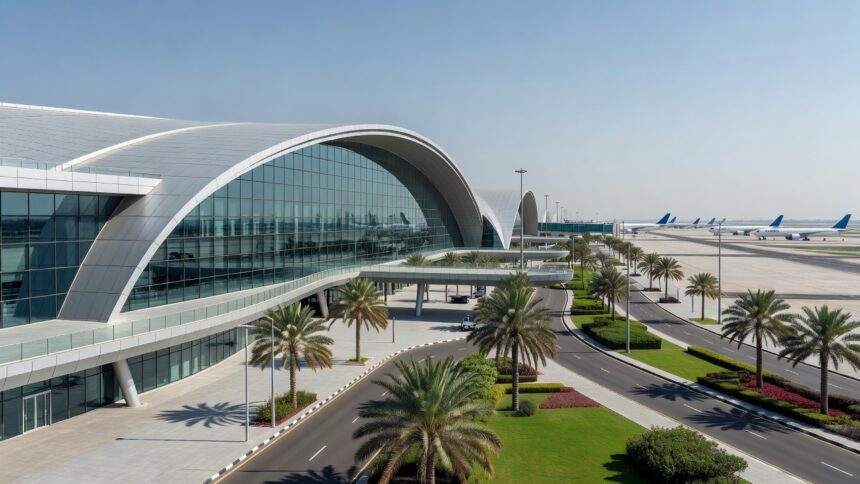
Dubai Airports has issued a comprehensive guide to inform travelers about regulations governing what they can and cannot bring into or out of the United Arab Emirates. The document focuses on arrivals procedures at Dubai International Airport, directing passengers to consult specific lists for prohibited and restricted goods before packing. According to a Gulf News report, the advisory covers medicines, electronics, food, gifts and other categories that frequently trigger customs questions.
The guide, available on the airport’s official website, prohibits narcotics of all kinds, counterfeit goods and money, gambling tools, nylon fishing nets, used or reconditioned tyres and items contaminated by radiation from entering the UAE. Materials contradicting Islamic faith or public morals along with certain agricultural products are similarly banned. Dubai Customs maintains these restrictions under federal and GCC unified laws to protect public safety and cultural standards.
Duty-free allowances allow arriving passengers to bring gifts worth up to Dh3,000 without incurring customs duties, the advisory states. Limited quantities of tobacco products and up to four litres of alcoholic beverages are also permitted for eligible adults, subject to personal use conditions. Cash or valuables exceeding Dh60,000 must be declared to avoid potential penalties, a requirement highlighted in multiple UAE government resources.
For those departing from Dubai, the guide details items forbidden in all forms of baggage including pepper spray, tasers and other electroshock weapons. Standard international rules on liquids in carry-on luggage and restrictions on lithium batteries are reinforced to ensure aviation security. Passengers should verify additional airline-specific prohibitions prior to travel, the advisory recommends.
Dubai International Airport processed 31.5 million passengers in the first half of 2026 despite regional challenges, according to Dubai Airports reports. The facility aims to handle approximately 70 million travelers for the full year as recovery continues. Such guides play a key role in minimizing disruptions at one of the world’s busiest international airports, which handled a record 95.2 million passengers in 2025.
The advisory further addresses requirements for prescription medications, which generally must be accompanied by supporting documentation for quantities exceeding personal needs over three months. Restricted items such as live animals, plants or certain electronics may require prior approvals from relevant authorities including the Ministry of Health and Prevention or the Telecommunications Regulatory Authority. Travelers are advised to access the linked resources within the guide for complete and up-to-date details.