ع



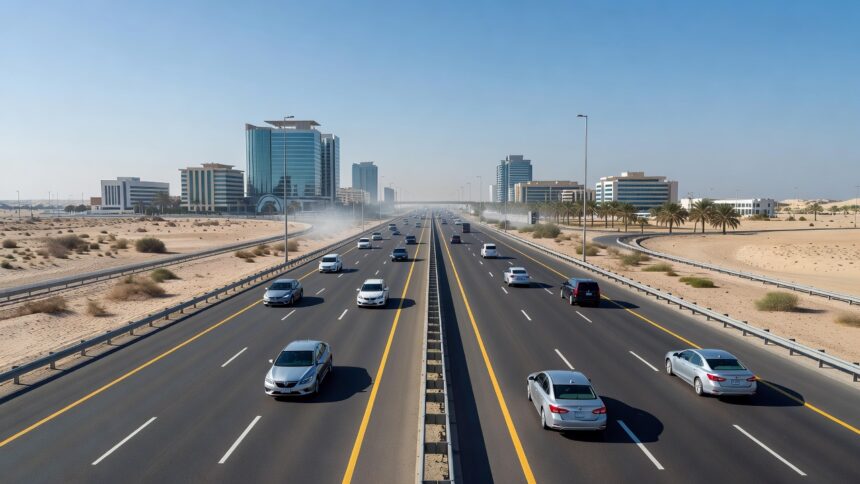
Cabinet Decision No. 174 of 2026 has established a new framework for federal traffic rules that prohibits any motorist from driving more than nine hours in a 24-hour period while also banning operation of a vehicle when fatigued or exhausted. The regulations implement Federal Decree-Law No. 14 of 2024 and are scheduled to apply nationwide from January 1, 2027, according to Emirates News Agency. The nine-hour limit has drawn particular attention for its potential impact on professional drivers in taxis, delivery services and heavy transport, with the Federal Traffic Council empowered to modify the threshold based on evolving safety data. Gulf News reported that the fatigue prohibition stands independently of the hourly cap, requiring drivers to self-assess their condition before taking the wheel.
Vehicle ownership and registration procedures will tighten under Article 89 of the decision, which limits individual residents to no more than five registered vehicles in total. The first two vehicles face no additional fees while each subsequent registration incurs an extra charge, the regulations state. Light vehicles meeting criteria such as being no older than six years and originally registered as new may now qualify for two-year renewal periods instead of annual ones, offering administrative relief to qualifying owners. These provisions aim to balance individual vehicle use with regulatory oversight of the national fleet.
Child safety requirements have been expanded to mandate appropriate restraint systems for all children aged four and under, with detailed placement rules outlined in the decision. In vehicles lacking rear seats the child seat may be positioned forward-facing only if the airbag is deactivated and the seat is installed correctly, according to the published regulations. The rules reinforce protections for young passengers that were already strengthened following earlier road safety campaigns, with non-compliance expected to carry penalties once the measures activate in January.
Personal mobility devices receive dedicated regulatory attention for the first time, with permits required for electric scooter riders beginning at age 15. Delivery riders using such devices are barred from carrying passengers while all users must wear helmets and adhere to designated paths or lanes, Emirates 24|7 reported after reviewing the full text. The framework also sets speed and equipment standards for bicycles and scooters to reduce conflicts with larger vehicles on shared roadways. Authorities have signalled that training and licensing components will accompany the permit system.
Internal residential roads will be subject to a maximum speed of 40 kilometres per hour under the updated Article 8, with signage obligations placed on road authorities to ensure clear communication to drivers. The regulations simultaneously prohibit distracted driving behaviours including handheld mobile phone use and any activity that diverts visual or manual attention from the road. Seat belt requirements for all vehicle occupants are reiterated with stronger enforcement language, forming part of a package that The National noted could reshape daily commuting patterns.
Licensing durations have been recalibrated so that first-time drivers under 21 receive one-year temporary permits while those aged 21 and older obtain two-year initial licences. Subsequent renewals grant 10-year validity to UAE and GCC nationals and five-year terms to expatriate residents, according to the executive regulations. Professional drivers and delivery personnel face supplementary rules governing working hours and vehicle standards that align with the broader nine-hour daily cap. The changes were developed through coordination between federal and local traffic bodies to address both safety and administrative efficiency.
The full set of eight guidelines also addresses right-of-way protocols, pedestrian crossings and essential worker exemptions that permit authorised emergency and medical personnel to exceed certain speed limits by up to 40 kilometres per hour when responding to incidents. WAM data indicates the regulations were finalised following extensive consultation to modernise the 2024 federal traffic law. Motorists have until the end of the year to familiarise themselves with the updated obligations before enforcement begins.