ع



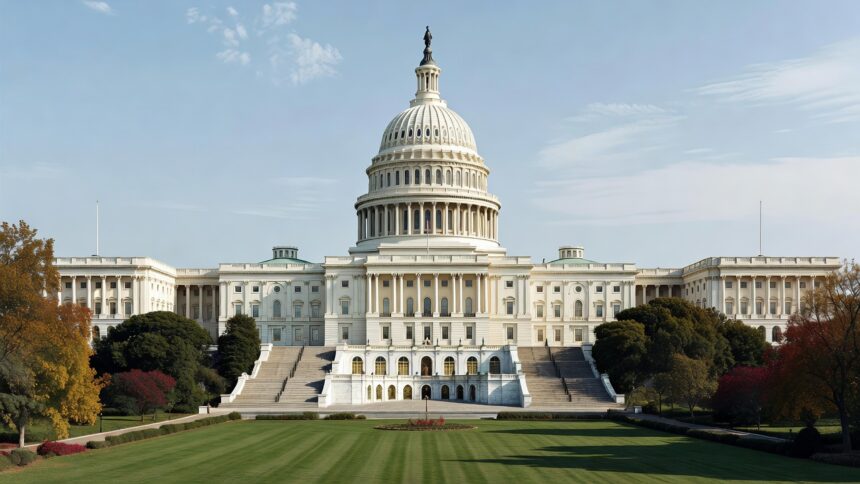
Polls and nonpartisan analysts favor Democrats to wrest the House from Republicans in the November 3, 2026, midterm elections, while control of the Senate remains uncertain, according to a Reuters assessment. The sitting president’s party has lost ground in Congress in nearly every midterm since World War Two, a historical pattern that places additional pressure on Trump’s Republicans. Democrats need a net gain of four seats to seize a Senate majority, a challenging task as many competitive races are in states that backed Trump by double digits in 2024. Early results from key districts could signal the scale of any shift in voter sentiment.
The Senate battle is centered on roughly 10 closely contested races, most of them in Republican strongholds, a Reuters review of the electoral map showed. Democrats must defend all of their current seats, including a competitive contest in Michigan, while attempting to flip seats in states such as Alaska, Iowa, Kansas, Nebraska, Ohio, South Carolina and Texas. A 50-50 Senate split would allow Republicans to retain control through Vice President JD Vance’s tie-breaking vote, according to multiple election forecasts. The arithmetic leaves little room for error on either side.
In the House, where all 435 seats are contested, 47 races are viewed as competitive, a Reuters analysis of leading election forecasters determined. Democrats would need to secure only 13 of those competitive seats to claim a majority if other races follow predictions, the data indicated. Republicans entered the cycle with a narrow 218-214 edge, though two vacancies adjusted the effective balance. A Democratic takeover would limit Trump’s legislative agenda for the final two years of his term.
Early voting has shattered records from the previous midterm cycle, with more than 57 million ballots cast ahead of November 3, The New York Times reported. Turnout exceeded 2022 levels in major Senate battlegrounds, and the share of Democratic early voters has risen in several key states. High participation reflects intense interest in issues ranging from the cost of living to an unpopular war with Iran, according to NBC News coverage of voter sentiment.
President Trump’s approval rating has fallen to around 37 percent, with 61 percent of Americans disapproving, a Silver Bulletin survey found in early October. Voters have expressed frustration over inflation and the conflict with Iran, factors that have shaped the campaign narrative. Republicans have sought to portray Democrats as extreme, while the opposition has framed the vote as a check on Trump’s policies. The outcome could influence the direction of legislation on taxes, spending and foreign affairs.
Key Senate races include North Carolina, where former Democratic Gov. Roy Cooper faces Republican Michael Whatley, and Texas, pitting Democrat James Talarico against Attorney General Ken Paxton, a Khaleej Times compilation of battlegrounds detailed. Other contests in Ohio, Iowa, Alaska and Kansas could determine the chamber’s balance, with polling showing tight margins in each. A broader Democratic wave might extend to less competitive districts, further eroding Republican strength. Results from these races are expected to emerge progressively on election night.
The midterms cap a contentious period that included economic turbulence and international conflicts, a Financial Times overview of the campaign noted. A strong Republican performance could bolster Trump’s position within the party, while significant losses might prompt a reassessment of priorities such as tariffs. Both parties have invested heavily in advertising, with spending projected to reach record levels. Final tallies will clarify the extent to which voters have checked presidential power.