

 ع



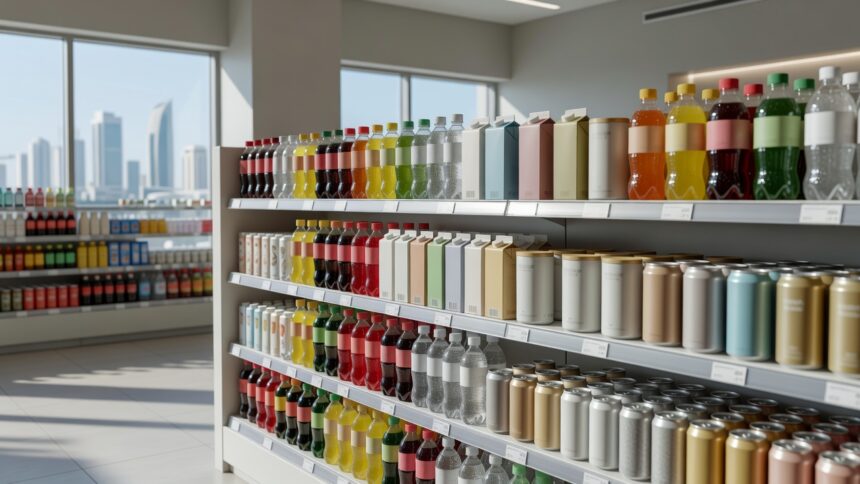
Deloitte’s April 2026 tax perspective outlined how the legislation updates the 2018 excise tax framework to target public health concerns by shifting taxation of sweetened drinks away from previous flat rates on carbonated products. The new system encompasses soft drinks, juices, concentrates, powders, extracts and any items convertible into beverages containing added sugar or sweeteners. Businesses involved in production, importation or commercial storage must adjust their compliance procedures to reflect the revised classifications and schedules now in force.
The tiered model sets no tax on beverages with less than 5 grams of sugar or sweeteners per 100 millilitres while applying 0.77 Qatari riyals per litre to those measuring between 5 and 7.99 grams and 1.06 riyals for 8 grams or higher. Products containing only artificial sweeteners without added sugar remain exempt under the schedule attached to the law. This structure replaced an earlier flat 50 percent rate on retail price that had featured in preliminary discussions during 2024 workshops held by the authority and the Ministry of Commerce and Industry.
Further provisions in the amendments extend the statute of limitations for tax evasion offences to five years from the end of the year when the tax falls due. Requests for information issued by the General Tax Authority or any taxpayer acknowledgment of debt now interrupt the limitation period applicable to assessments, collections and refunds. The Deloitte report noted that these clarifications reinforce overall enforcement mechanisms across excise obligations.
Holders of commercial stock as of the 6 July 2026 implementation date must file transitional declarations via the Dhareeba platform within 90 days of that date. Inventories below 200,000 litres require only the declaration while larger volumes demand an audited report confirming quantities and sugar content with any resulting tax paid within 30 days of submission. The General Tax Authority emphasised that tax liability depends on actual sweetener levels rather than volume alone so even large stocks may generate zero payment if all items fall into exempt categories.
The law allocates 1 percent of excise revenue from sweetened beverages to the Ministry of Public Health budget specifically for awareness initiatives. This directive appears in the revised text of Article 2 and reflects the measure’s health policy objectives. Affected companies have been advised to update product registrations and internal systems to accommodate the volumetric calculations and associated reporting.
Subsequent Cabinet Decisions 30 and 31 of 2026 issued in September introduced additional refinements to executive regulations covering mandatory product registration before import or local production along with updated valuation, tax warehouse and audit procedures. An EY global tax news assessment from 28 September indicated that the decisions also revised Harmonized System codes and definitions for energy drinks, sweetened beverages and related goods while strengthening inspection powers. The General Tax Authority later announced electronic integration for laboratory certificates in sweetened drink registrations effective from 1 November to streamline the process and reduce manual uploads.