 ع
ع

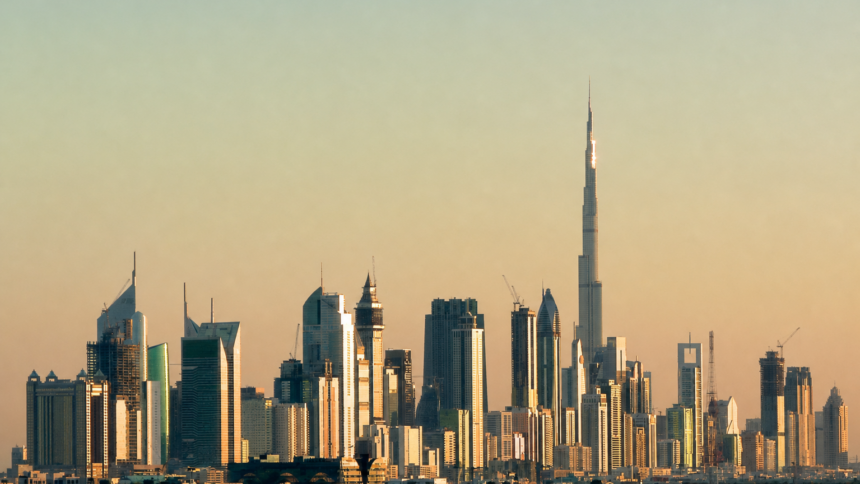
Ahmed Ismail, co-founder of Daman Virtual, outlined the UAE’s rare combination of world-class banking infrastructure, specialist virtual asset regulation and direct access to capital and trade flows spanning the Middle East, Asia, Europe and Africa. Speaking to Khaleej Times, Ismail stated that the country is ticking all the right boxes and could serve as a vital bridge between digital asset infrastructure and traditional financial markets if it continues to integrate these elements into a cohesive ecosystem. The assessment comes as the digital asset sector shows clear signs of maturation with institutional activity on the rise.
Chainalysis data cited in the September 27, 2026 report placed the crypto value received by the UAE at more than 56 billion dollars during the latest period, while large institutional transactions expanded by more than 50 per cent. This growth aligns with the country’s broader financial evolution in which banks have moved from blockchain experimentation to live deployments of tokenised assets and stablecoins. The Central Bank of the UAE has backed the shift through the Digital Dirham and related payment innovations that facilitate both domestic and cross-border use cases.
The Virtual Assets Regulatory Authority released guidance in April 2026 on its Virtual Assets Issuance Rulebook that sets out licensing expectations, disclosure obligations and distribution requirements for different token categories, according to Khaleej Times coverage. VARA had issued its 50th Virtual Asset Service Provider licence by June 2026, a milestone that reflects sustained demand for regulated digital asset services within the emirate. Earlier Khaleej Times reporting from May 2026 noted that the UAE scored a perfect 10 for tax-friendliness with zero taxes applied to crypto trading, staking and mining.
A separate Khaleej Times review from 2025 placed cryptocurrency inflows to the UAE at 34 billion dollars between July 2023 and June 2024, marking a 42 per cent year-on-year increase that helped the country rank among the top 40 globally for crypto adoption. Industry figures show that 93 per cent of transaction volume now comes from institutional-grade activity while more than 500,000 daily traders participate in the ecosystem. These metrics underscore the transition of digital assets from speculative instruments toward financial infrastructure integrated with conventional banking rails.
Regulators in both Abu Dhabi and Dubai have introduced frameworks that exceed many international peers in clarity and scope, enabling tokenisation of real-world assets and on-chain settlement, according to multiple sector assessments. The Abu Dhabi Global Market introduced its cryptoasset regime in 2018 while Dubai established VARA in 2022, creating a dual-centre model that attracts global players. Experts have pointed to the sandbox facilities and supervisory sandboxes operated by the DFSA and other bodies as tools that allow safe testing of AI-driven finance and tokenised products before full-scale launch.
Cross-border initiatives such as mBridge have already demonstrated the potential for dirham-based digital payments with trading partners including China, further reinforcing the UAE’s role in modernising regional financial corridors. Stablecoins are expanding beyond trading into treasury management, remittances and corporate settlements where they reduce trapped capital and speed up processing times. Continued regulatory focus on governance, disclosure and market discipline will shape how deeply digital assets embed within the wider financial system.