 ع
ع

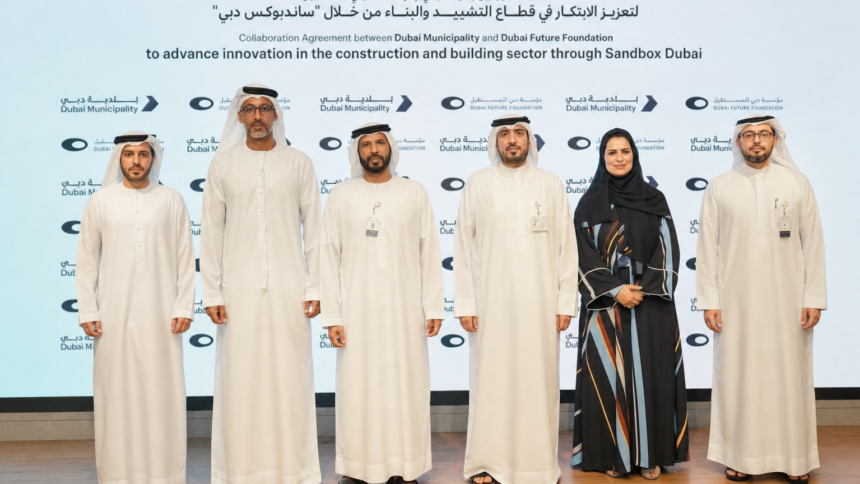
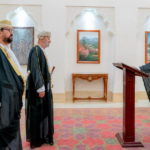
The event brought together representatives from government entities, industry stakeholders, innovators and specialists to examine legislative barriers to adopting new construction methods in the emirate. Participants focused on developing practical approaches to update building regulations and licensing procedures that align with technological progress. Dubai Municipality and the Dubai Future Foundation signed a cooperation agreement during the gathering to enable testing of innovative solutions within Sandbox Dubai’s Smart Built Environment framework, with results intended to guide future policy, according to a statement from the municipality.
Eng. Maryam Al Muhairi, CEO of the Buildings Regulation and Permits Agency at Dubai Municipality, described the Legathon as a reflection of ongoing work to build a regulatory system that adapts to sector changes. “The Future of Construction Legathon reflects our approach to developing a regulatory environment that evolves alongside the technologies shaping the future of the construction sector,” Al Muhairi said. “The objective is to create clearer pathways through which new ideas and technologies can be examined, tested and evaluated while maintaining strong standards of governance and compliance.” The programme forms part of wider initiatives to strengthen compliance and governance across Dubai’s construction activities.
A Construction Week Online analysis published earlier this year noted that regulatory frameworks are set to play an even stronger role in the construction sector in 2026, particularly around sustainability, climate resilience and AI integration. The UAE maintains a leading position in construction-scale 3D printing, an approach that reduces material waste and supports efficient delivery on projects, the publication reported. These developments highlight the importance of proactive regulatory updates of the type addressed at the Legathon.
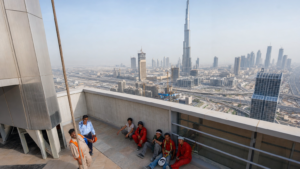
Dubai Land Department figures show the emirate completed 104 real estate projects in the first half of 2026, a 36 percent rise from the same period a year earlier, with associated investment value climbing to AED111 billion. The emirate’s population has reached 4.73 million, further increasing pressure on housing and infrastructure delivery, according to data from the Data and Statistics Establishment. Such expansion underscores the need for agile regulations that accommodate emerging tools including digital twins, modular systems and predictive analytics.
The newly signed agreement will allow controlled experimentation with construction technologies, generating evidence that authorities can use to refine licensing and compliance standards. This structured collaboration between the public and private sectors aims to accelerate innovation without undermining safety or quality requirements. Officials expect the approach to help Dubai sustain its reputation for forward-looking urban development.
Artificial intelligence adoption in construction has grown rapidly, with applications in risk prediction, design optimisation and site monitoring that can shorten project timelines and limit cost overruns, a separate Arabian Business review found. By convening experts to shape future rules, the Legathon contributes to preparations for these shifts across the built environment. The municipality indicated that outcomes from the event will feed directly into updated regulatory recommendations.