
 ع
ع


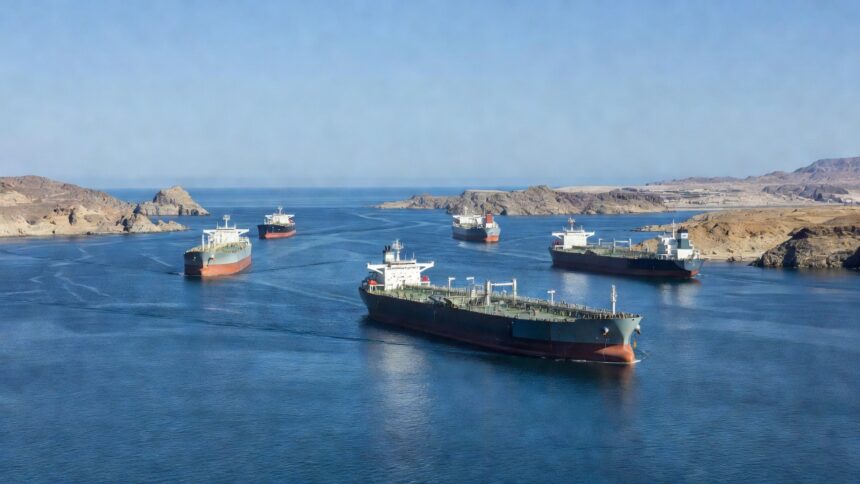
The resumption of oil flows through the Strait of Hormuz followed a preliminary peace agreement between the United States and Iran signed in June 2026 that included provisions to reopen the critical waterway. U.S. Energy Secretary Chris Wright said some 20 million barrels of crude oil exited the strait in the last 24 hours, amounting to around a fifth of world consumption and similar to levels before the conflict that began in late February. Wright told a Reuters Global Energy Forum in New York that the flows could be described as normal today despite the lower number of vessels.
Kpler analysis showed crude shipments through the strait rose this week to the highest level since the war began. Four tankers carrying 6 million barrels of crude oil sailed through on Thursday and an additional 4 million barrels of Iranian crude left on two separate tankers, according to the maritime data firm. On Wednesday some 10.8 million barrels were shipped out on six tankers, the firm reported, adding that the rebound reflects the adaptability of Mideast Gulf export systems.
Data from Kpler placed the number of vessels transiting from Saturday through Monday at 109, the largest three-day total since the war started but still only a fraction of the more than 130 that passed daily before the conflict. Many ships have been switching on their public AIS tracking transponders while others may have gone undetected, the firm noted in its assessment. The overall picture remains incomplete as some vessels transit with transponders off, according to industry executives interviewed by the New York Times.
Iran-linked ships carrying crude oil to Asia have contributed to the increased traffic via the northern route near Larak Island. At least 12 tankers with Iranian crude are moving toward Asia, an analysis by S&P Global’s Commodities at Sea found. The volume of oil estimated to be held in the Persian Gulf fell to 103 million barrels from more than 150 million barrels a week ago, according to S&P Global.
Despite the increased flows, Iran’s mines are still in the water and hundreds of ships remain stuck in the region. The International Maritime Organization launched a scheme this week to evacuate vessels trapped in the Gulf, with 115 vessels and about 2,500 crew members evacuated since Tuesday. IMO Secretary General Arsenio Dominguez said on Friday that of the total, 51 exited on Thursday and 16 on Friday.
Oil prices have fallen to roughly where they were before the war as supply has increased, Bloomberg reported. Goldman Sachs cut its forecast for Brent crude in the fourth quarter to $80 per barrel, an EnterpriseAM article on the reopening noted. Full normalization of flows through the strait may not occur until the first or second quarter of 2027, according to estimates from ADNOC CEO Sultan Al Jaber.