 ع
ع

A recent article in The Atlantic analyzed how operations by Houthi militants illustrate the practical effects of the Trump administration’s more assertive stance on rules governing armed conflict. The publication noted that the administration has emphasized decisive responses to proxy threats from Iranian-backed groups. President Trump has repeatedly framed the Houthis as a surrogate force for Tehran in public statements.
Trump posted on Truth Social on Thursday that if the Houthis conduct further attacks the U.S. will hold Iran responsible since the group functions as a proxy. He warned of major military punishment against both Iran and the Houthis adding that he was disappointed they had resumed actions after a period of relative restraint. The message followed Houthi claims of responsibility for strikes on two Saudi oil tankers according to a Politico report on the exchange.
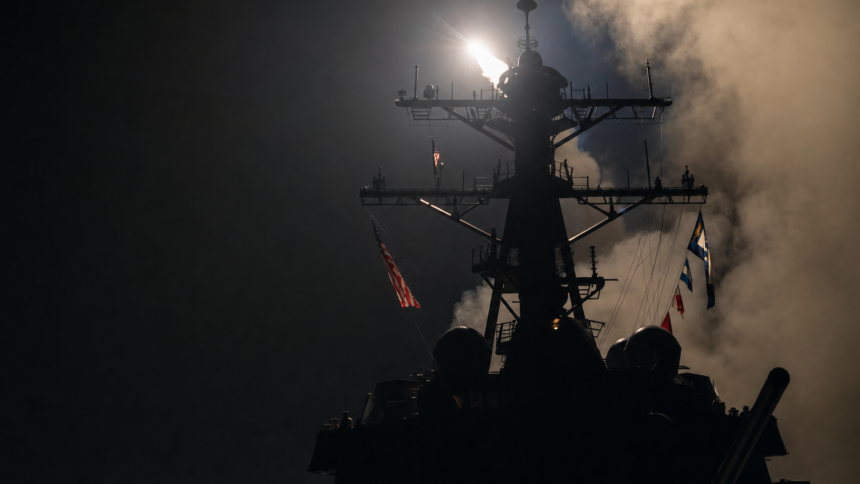
U.S. Central Command reported that American forces conducted strikes on Iran for 12 consecutive days as of late July amid efforts to secure the Strait of Hormuz. Trump indicated in related comments that the U.S. would target a bridge or power plant in response to Iranian actions against vessels in the waterway. Defense Secretary Pete Hegseth reinforced the policy by stating that the campaign against the Houthis would remain unrelenting until the group ceased attacks on U.S. ships and drones.
A senior Houthi official told Drop Site News in April that the group would halt operations against U.S. vessels if American bombing of Yemen ended. Mohammed al-Bukhaiti said the Houthis do not consider themselves at war with the American people and that the choice to de-escalate rests with Washington. The official tied the Red Sea campaign to opposition against Israeli actions in Gaza framing Houthi moves as aligned with international humanitarian law under the Geneva Conventions.
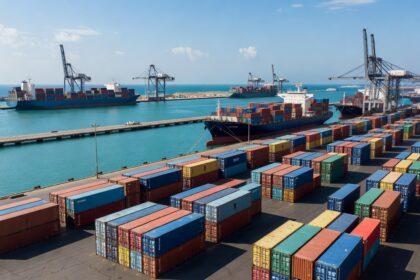
The Atlantic has previously reported that Houthi interdictions disrupted roughly 15 percent of global maritime trade by forcing rerouting away from the Suez Canal. The group recruited thousands of additional fighters amid heightened regional tensions a separate assessment cited in related coverage indicated. Such activities have continued intermittently despite multiple rounds of U.S. strikes and short-lived cease-fire attempts earlier in the year.
A Salon analysis from December 2025 contrasted U.S. threats of naval blockades against sovereign states with Houthi claims of legal justification for ship interdictions during armed conflict. The outlet noted that under customary international law parties may interdict shipping that supports belligerents committing grave breaches. Trump administration officials have rejected those justifications labeling Houthi actions as terrorism and piracy instead.