
 ع
ع

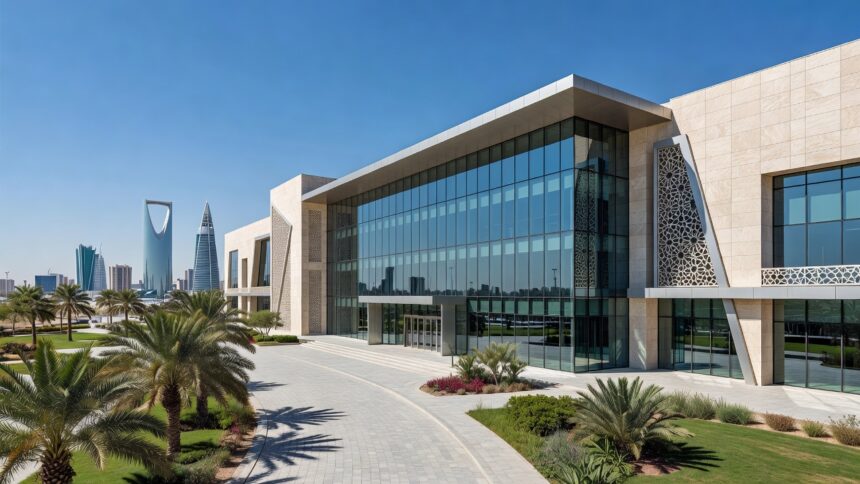
The four-day gathering co-organized by UNESCO, the Saudi Data and Artificial Intelligence Authority and the International Center for AI Research and Ethics brings together ministers, technical experts and industry leaders from 194 countries to strengthen both legal and practical implementation of ethical AI principles. UNESCO plans to release an updated global readiness assessment that now covers more than 75 nations evaluating their preparedness in laws, infrastructure and social protections for algorithmic advances, according to an Infobae dispatch published the same day. The forum also introduces new guidance on measuring the environmental footprint and energy demands of training large generative AI models, a growing concern as computing requirements escalate worldwide.
Saudi Arabia’s selection as host reflects its rising profile in AI governance discussions, a trajectory reinforced by its accession earlier this year to the OECD-hosted Global Partnership on Artificial Intelligence. The partnership assembles more than 40 governments to advance responsible AI practices, and Saudi participation through the Saudi Data and Artificial Intelligence Authority provides a direct channel to influence policy formulation at ministerial level. SDAIA has emphasized that such engagements help establish cross-border standards that promote safe AI deployment while respecting national contexts.
The kingdom advanced 17 places in the United Nations AI index to secure 14th position globally and first among Arab states among 83 countries evaluated, with SDAIA data showing it retained the top ranking in government AI strategy. A separate OECD AI Policy Observatory review ranked Saudi Arabia third worldwide in AI policy development behind only the United States and United Kingdom, SDAIA president Abdullah bin Sharaf Alghamdi told participants at a recent international gathering. These standings stem from initiatives including the AI Ethics Early Adopters program and the Riyadh-based International Center for AI Research and Ethics, which UNESCO has designated as a regional and global partner for ethics advancement.
In June 2026 Saudi Arabia told the United Nations General Assembly that member states must retain a central role in any future international AI governance arrangements while preserving each country’s sovereign right to tailor policies to its development needs, according to a statement delivered by Ambassador Abdulaziz Alwasil on behalf of the Arab Group. The intervention welcomed implementation of the Global Digital Compact and formation of an independent scientific panel on AI while calling for ethical frameworks grounded in transparency, reliability and accountability that also respect cultural specificities and human rights. Arab News reported that the Kingdom further urged collective attention to risks such as misinformation, deepfakes and cyberattacks to maintain public confidence in the technology.
The Saudi Data and Artificial Intelligence Authority has supported UNESCO’s 2021 Recommendation on the Ethics of Artificial Intelligence since its adoption by 193 member states and later contributed to the Riyadh Charter for AI in the Islamic World endorsed by 53 countries between September 2024 and March 2025. UNESCO Director-General Khaled Al-Anany welcomed the kingdom’s hosting of the current forum in remarks issued ahead of the event, describing it as an opportunity to align global governance with the pace of innovation that no single nation can address alone. The gathering builds on Saudi Arabia’s broader push to integrate ethical considerations into its national AI strategy as it expands computing capacity and international partnerships.
Discussions in Riyadh are expected to examine how ethical commitments can translate into concrete policies, institutions and evaluation mechanisms that balance innovation with safeguards, according to program details released by the co-organizers. Saudi officials have consistently positioned the kingdom as a bridge-builder in global AI debates, leveraging its investments in infrastructure, talent development and regulatory frameworks to contribute distinctive perspectives from the region. The forum concludes on September 17 with outcomes intended to inform ongoing multilateral efforts to update international AI norms.