 ع
ع

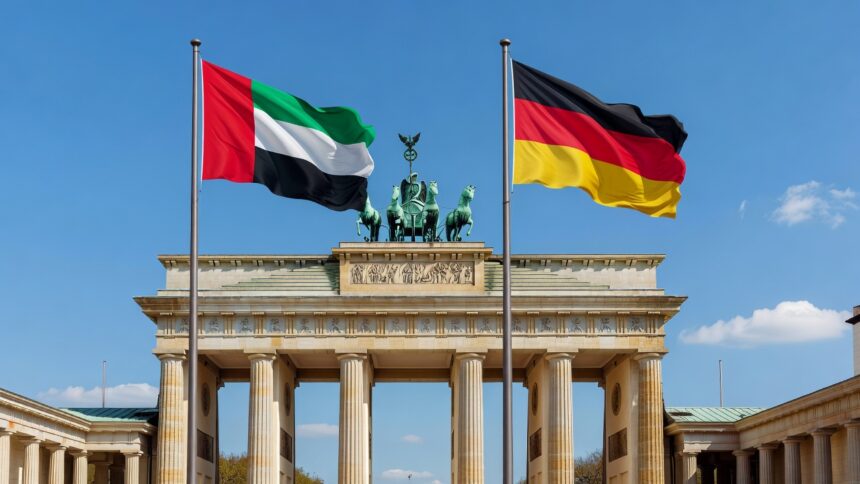
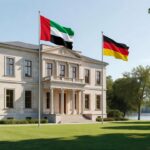
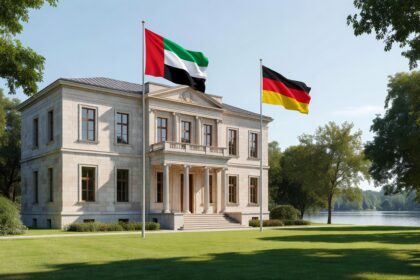
Faisal Al Bannai outlined the UAE’s interest in expanded artificial intelligence ties with Germany while accompanying President Sheikh Mohamed bin Zayed Al Nahyan on a state visit to Berlin. The presidential adviser told the German business daily Handelsblatt that such cooperation would build on complementary advantages between the two countries as the UAE advances its post-oil economic priorities. Al Bannai emphasised that strengthening the country’s position in artificial intelligence forms a central element of its long-term strategy.
The UAE has directed substantial resources toward AI infrastructure, including data centres and supporting energy systems, according to the adviser. Al Bannai placed the value of related investments at approximately $127 billion across the previous two years. These commitments have created a foundation that enables rapid testing and deployment of emerging technologies.
Germany contributes a robust industrial sector, engineering talent and established expertise that would pair effectively with the UAE’s capabilities, Al Bannai noted. “Germany has significant strengths, such as a strong base of industry, engineers and talent,” Al Bannai said. The adviser described the UAE as offering an agile setting suited to swift implementation of innovative concepts.
Joint work on artificial intelligence could bolster respective strengths in the field while fostering reduced reliance on the primary AI systems developed in the United States and China, according to Al Bannai. The presidential adviser positioned himself as a supporter of open-source models even as he recognised the continued relevance of closed-source approaches. The discussion forms part of wider conversations taking place throughout the high-level visit.
Minister of State Lana Nusseibeh said between 40 and 45 agreements are expected to be concluded during the state visit, including investments worth billions of dollars. Nusseibeh told another German publication that the pacts would cover technological collaboration, energy transition initiatives and additional fields that build on existing renewable energy and efficiency partnerships. Bilateral trade volume between the UAE and Germany is forecast to reach 13.6 billion euros in 2025, a 15 percent rise from the year before, according to figures cited in coverage of the trip.
The comments align with the framework of the UAE’s National Strategy for Artificial Intelligence, which the government has pursued to embed the technology across economic and public sectors. Public Authority data and related assessments indicate the strategy has mobilised both state and private resources to establish the country as a competitive player in advanced technologies. Al Bannai’s statements during the Germany visit reflect the continued implementation of these objectives through international partnerships.