

 ع
ع


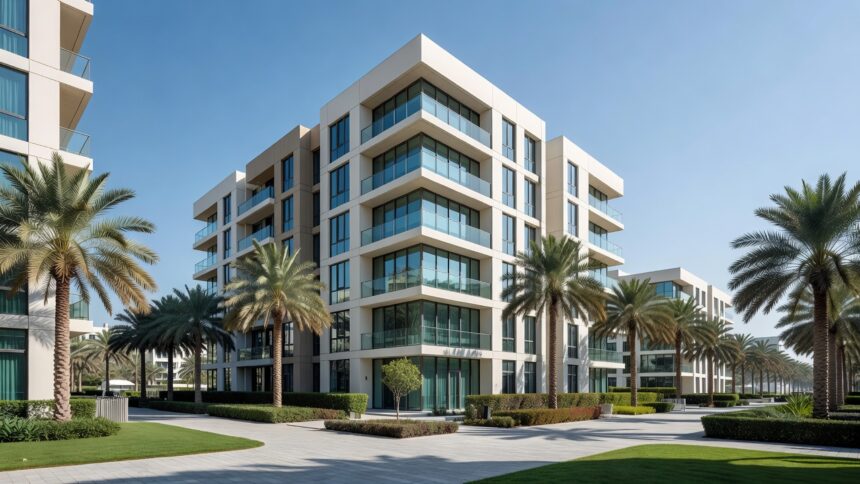
Dubai Law No. 4 of 2026 which regulates the management and occupancy of shared housing units entered into force on August 26 2026 after 180 days from its publication in the Official Gazette. The legislation defines shared housing as residential properties occupied by multiple unrelated individuals or families and restricts leasing rights to property owners or authorised establishments only. A report published by Khaleej Times on the law’s implementation noted that the framework aims to formalise previously informal arrangements prevent unsafe conditions and maintain stability in the emirate’s real estate sector while a separate summary from Emirates 24|7 highlighted its focus on safer living environments for residents seeking affordable options.
Owners and operators must now obtain a permit from Dubai Municipality before offering any unit for shared occupancy and register leases through the Dubai Land Department’s electronic registry according to multiple analyses of the statute. The permit process includes verification that the property meets all technical safety and building requirements with authorities empowered to conduct inspections based on complaints or routine checks. Real estate portals such as StartDXB reported that this registration system replaces earlier unregulated practices where verbal agreements and informal subleases were common particularly among lower-income expatriate communities.
Shared housing units are subject to a minimum habitable space allocation of five square metres per resident with net floor area calculations excluding kitchens bathrooms and corridors a standard outlined in summaries of the law carried by Driven Properties and Oplus International Realty. Maximum occupancy limits are set on a per-unit basis by Dubai Municipality which also mandates provision of adequate shared facilities proper ventilation and fire safety compliance. These technical rules respond to longstanding concerns over overcrowding that have contributed to increased fire risks and strained infrastructure in certain residential areas according to enforcement data referenced in Khaleej Times coverage of prior municipality campaigns.
Lessors hold responsibility for maintaining the property displaying clear permit signage in Arabic and English and providing occupants with a multilingual guide to house rules a requirement detailed in legal briefings from Alsuwaidi & Company. Occupants may terminate agreements with 30 days’ notice and recover prepaid rent minus one month’s amount while subletting of rooms or bed spaces by tenants is explicitly prohibited without written owner consent and a valid permit. The law assigns the Dubai Rental Disputes Centre exclusive jurisdiction over related conflicts ensuring streamlined resolution of cases arising from the new framework.
Violations of the shared housing provisions carry administrative fines ranging from 500 dirhams to 500000 dirhams for a first offence with repeat violations within one year triggering doubled penalties up to a maximum of one million dirhams according to the graduated structure published by Aurantius Real Estate. Authorities may also impose non-monetary sanctions including permit suspension utility disconnections or eviction orders issued through the Rental Disputes Centre. A legal overview distributed by real estate consultancy Real Estate Club Dubai indicated that the fine tiers target specific infractions such as operating without a permit exceeding occupancy limits or converting non-habitable spaces into sleeping areas.
Existing operators of shared housing arrangements received a one-year transitional window from the effective date to bring their units into full compliance with the possibility of a single extension granted by the Director General of Dubai Municipality. During this period owners must regularise leases obtain permits and adjust occupancy to meet space standards a provision noted across reports from Khaleej Times and StartDXB. The law annuls any conflicting earlier provisions and anticipates further implementing regulations that will detail permit fees designated zoning maps and a dedicated shared housing rental index managed by the Dubai Land Department.