
 ع
ع


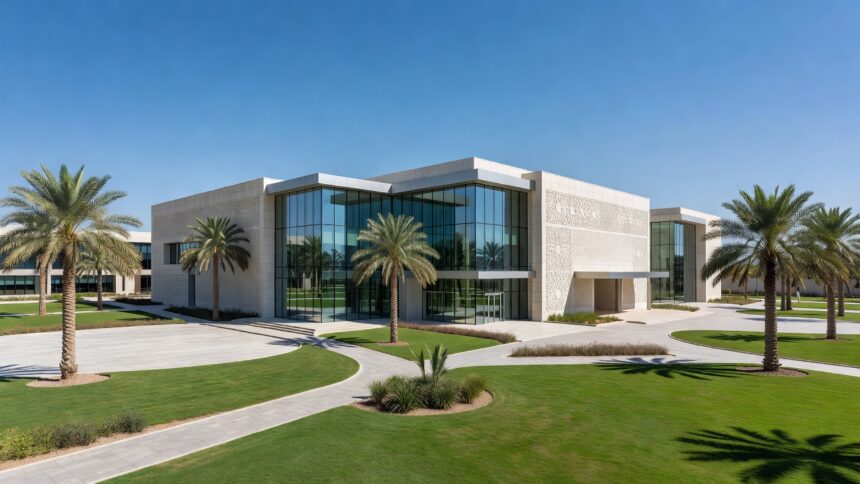
The legislation published in the Umm al-Qura Official Gazette comprises 68 articles across nine chapters covering nursery through grade 12 in public private foreign-curriculum virtual and specialised institutions. It will enter into force on January 20 2027 exactly 180 days after gazetting according to legal analyses of the royal decree. Education Minister Yousef Al-Benyan welcomed the approval granted by King Salman and Crown Prince Mohammed bin Salman describing the measure as a milestone that advances general education while enhancing regulatory and operational efficiency the Saudi Gazette reported on July 24 2026.
The law defines the respective responsibilities of the Ministry of Education and the General Education Affairs Council to improve policy coordination oversight and decision-making processes according to the Saudi Gazette. It creates a structured framework that encourages private-sector and nonprofit participation through investment partnerships and compliance with established quality standards. Families receive explicit recognition as active partners in the educational process under the new provisions.
Provisions within the legislation affirm the right to education while detailing protections for students and teachers together with requirements for safe learning environments the royal decree states. The statute strengthens early childhood education expands dedicated support for students with disabilities and launches targeted programmes to nurture gifted learners. It further addresses all stages of schooling academic pathways e-learning options continuing education and the full spectrum of associated rights and responsibilities.
World Bank assessments have documented measurable gains in the sector noting that average reading achievement among Grade 4 students rose by nearly one full year of schooling between 2016 and 2021. The new law aligns directly with Vision 2030 priorities that include improving fundamental learning outcomes ensuring equity of access particularly in rural areas and aligning educational outputs with labour-market requirements according to the official Vision 2030 portal. Saudi Arabia has pursued comprehensive education reforms under this national plan shifting focus from near-universal access toward quality and relevance.
The legislation makes school attendance compulsory for children aged six to 15 and imposes penalties on anyone who prevents a child from receiving an education multiple sector reports indicated. International schools in the kingdom must now incorporate Saudi history and geography into their curricula under the updated rules. The statute also promotes lifelong learning pathways and human-capital development consistent with the kingdom’s economic diversification strategy.
More than 500000 teachers are engaged in mandatory pre-service and ongoing professional training as part of initiatives tied to Vision 2030 according to EDT Partners sector analysis. Female workforce participation has climbed to 36 percent from 19 percent in 2016 supported by education-driven inclusion programmes the same assessment found. Over six million students are projected to benefit from a nationwide artificial-intelligence curriculum rollout that began in the 2025-2026 academic year further data from the analysis showed.